By Philips, Featuring NYU Langone Health
Faced with increasing diagnostic demand, growing complexity in pathology workflows, and a national shortage of pathologists, NYU Langone Health recognized the need for a more scalable and connected diagnostic model. In mid-September 2024, the organization began its transition from traditional microscope-based pathology to a digital workflow. By February 2025, the Manhattan and Brooklyn pathology departments were fully digitized across every surgical pathology subspecialty, achieving what Dr. Syed T. Hoda described as a “0-60 in less than twelve months” transformation.
What many institutions approach as a multi-year journey, NYU Langone accomplished in just months by treating digital pathology not simply as a technology deployment, but as a clinical, operational, and cultural transformation. According to Dr. Hoda, the key to building confidence was “change management, change management, and change management,” supported by extensive workflow redesign, transparent communication, strong IT partnership, leadership alignment, and sustained on-site support.
One of the most central parts of everything we have done is placing change management at the core of our decision‑making every step of the way.
Dr. Syed T. Hoda, Director of Digital Pathology & Bone & Soft Tissue Pathology, NYU Langone Health
For NYU Langone Health, digital pathology was never simply about replacing a microscope with a screen. It was about redesigning the way pathology work moves across a complex clinical enterprise, while giving pathologists the confidence to adopt a new daily workflow. The transformation combined workflow optimization, on-site IMS support, strong IT partnership, visible leadership communication and practical support for the human side of change.
That human side mattered. Moving more than 95 surgical pathologists to a different way of working within one year required transparent conversations, town halls, practical problem solving and clear alignment among clinical, operational and technology leaders. By making adoption a shared departmental journey, NYU Langone created confidence, momentum and a stronger sense of community around the transition.
Getting 95+ surgical pathologists to completely change the way they work in one year was a mountain no other large academic medical center had climbed before.
Dr. Syed T. Hoda, Director of Digital Pathology, NYU Langone Health
A partnership for adoption
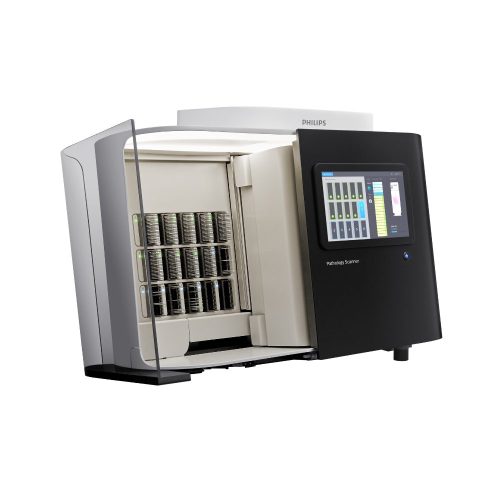
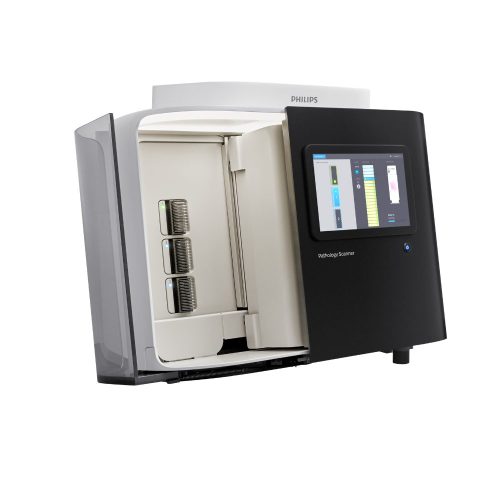
To support its vision for enterprise-wide digital pathology, NYU Langone sought a solution capable of enabling large-scale transformation. The combination of high-throughput scanning, integrated image management, workflow alignment with Epic Beaker, scalable infrastructure, and dedicated clinical implementation expertise provided a foundation that could support both immediate adoption and long-term growth. Go-live readiness meant more than technology readiness. Philips supported the transformation through workflow assessment, implementation planning, integration support, continuous training, on-site clinical expertise, and ongoing optimization efforts that helped sustain adoption after go-live. Success was measured beyond launch through adoption, workflow adherence and reliable system performance across sites.
On-site support helped build confidence, reduce resistance, and accelerate adoption across our pathology teams.
Rui Soares, Operations Director, Anatomic Pathology Laboratory, NYU Langone Health
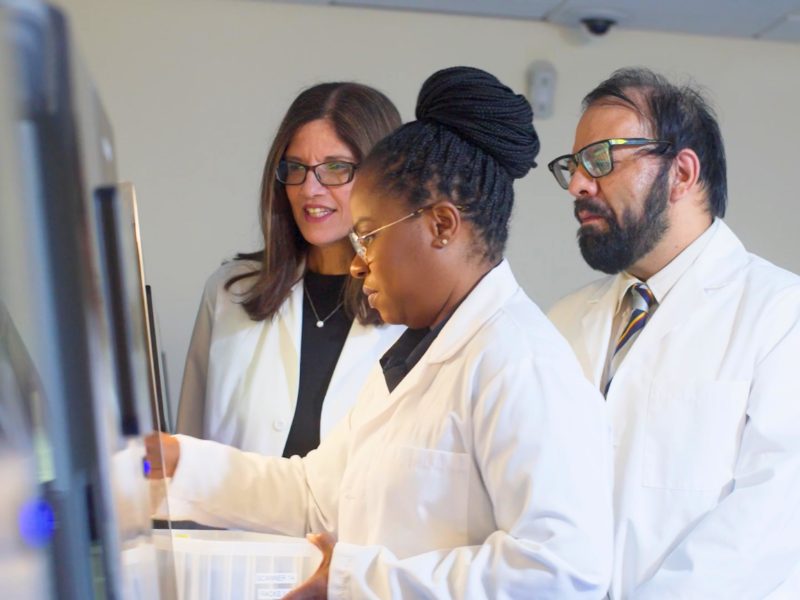
This approach helped pathologists build confidence in daily use and supported the transition from technical go-live to sustained digital sign-out. By working side by side with NYU Langone on workflow strategy, organizational readiness and clinical adoption, Philips helped support the human side of transformation as well as the operational and technical requirements.
The success of the transition was driven not only by technology, but also by the clinical guidance, and change management support provided throughout implementation.
Dr. Syed T. Hoda, Director of Digital Pathology, NYU Langone Health
From an enterprise leadership perspective, successful transformation required more than scanner deployment. It required alignment across clinical teams, information technology, operations, governance, infrastructure, and cybersecurity. Throughout the program, Philips collaborated with NYU Langone on enterprise architecture, integration strategy, storage design, workflow optimization, and scalability planning to help ensure digital pathology could become a sustainable enterprise capability rather than a standalone departmental solution.
Successful digital transformation requires more than technology. It depends on aligning people, processes, infrastructure, and governance around a shared vision for the future of diagnostics.
Nader Mherabi, Chief Digital and Information Officer, NYU Langone Health
A model for enterprise-scale digital transformation
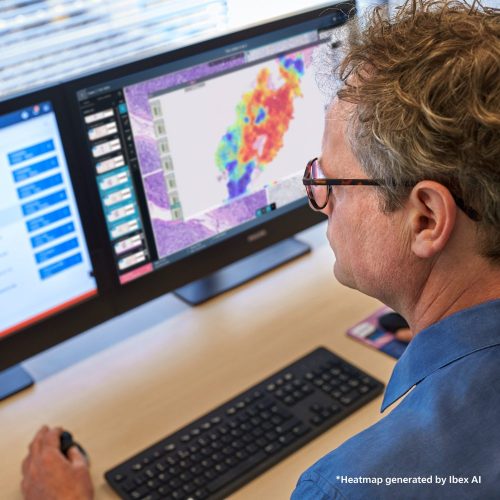
The NYU Langone Health digital pathology journey demonstrates that meaningful transformation depends on more than technology adoption. It requires clinical leadership, enterprise IT alignment, operational readiness, structured change management, and the confidence of the people who use the workflow every day. By moving quickly and intentionally, NYU Langone Health established a digital pathology model that improves access to expertise, strengthens collaboration, supports more flexible ways of working, and creates a foundation for future AI-enabled innovation. The organization’s rapid transition from first digital case to full digitization across every surgical pathology subspecialty demonstrates what can be achieved when clinical leadership, organizational readiness, and a shared vision align around transformation. The journey also highlights the value of a service-led partnership. By combining technology, workflow expertise, change management, and hands-on support, this helped guide the transition from planning and workflow design through clinical adoption, go-live, and continuous optimization, enabled NYU Langone Health to scale digital pathology with confidence.
Share this article
Follow us
Get Pathology News Delivered to Your Inbox