

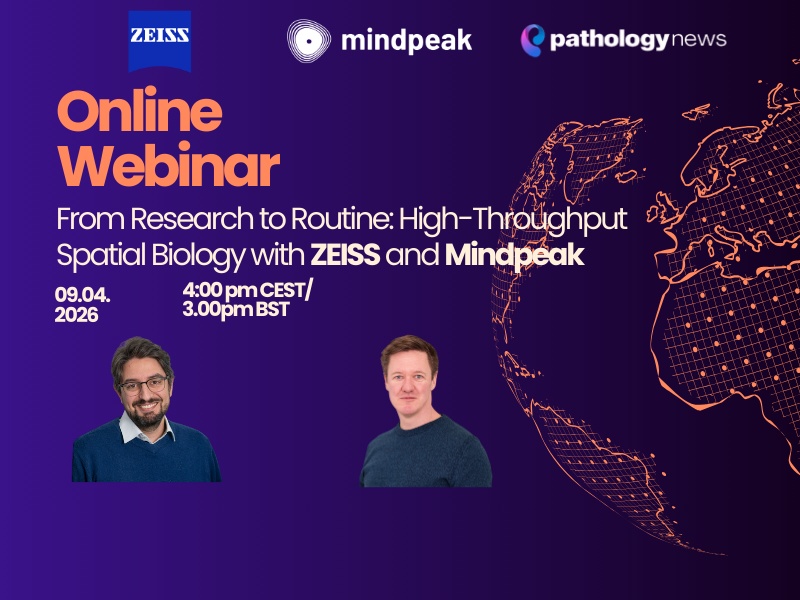
As the demand for complex biomarker analysis and precision oncology grows, organizations face significant hurdles in scaling multiplex immunofluorescence (mIF) and spatial biology for high-throughput production. Traditional spatial workflows are often fragmented, relying on manual processes and complex image analysis pipelines that require hundreds of hours of training and specialized bioinformatics expertise.
In this webinar, we explore how to eliminate these bottlenecks and transition spatial biology from a low-throughput research tool into a robust, production-ready environment that delivers images in and results out. We will dive into the integrated, end-to-end solution developed by ZEISS and Mindpeak, designed to seamlessly connect reagents, high-speed scanning, and automated image analysis. Attendees will learn how the ZEISS AxioScan 7 Spatial Biology enables standardized, clinical-routine-ready imaging capable of processing up to 100 slides per day.
Furthermore, we will demonstrate how Mindpeak’s PhenoScout AI provides a “Turn-key” analysis experience, allowing users to bypass months of algorithm training and achieve expert-grade, single-cell precision without requiring any prior image analysis expertise.
Join us to discover how this seamless integration minimizes data handling complexities, accelerates time-to-insight, and ultimately establishes a reliable pathway from translational research and clinical trials to future diagnostic assays.
Learning Objectives
- Identify key hurdles of bringing mIF/spatial biology into high-throughput production.
- Discuss solutions on the reagents, scanner, workflow, and image analysis parts of the workflow, with an emphasis on PhenoScout by Mindpeak.
- Evaluate the requirements for transitioning from manual research protocols to clinical-routine-ready imaging ecosystems.
What We Will Cover
- High-Throughput Imaging: How the ZEISS AxioScan 7 enables standardized, clinical-grade imaging for up to 100 slides per day.
- Turn-key AI Analysis: How Mindpeak’s PhenoScout AI provides expert-grade, single-cell precision without requiring prior image analysis or algorithm training.
- Clinical Pathways: How this integration minimizes data handling, accelerates time-to-insight, and establishes a reliable path from research to future diagnostic assays.
Key Takeaways
- Spatial biology is now ready for production: Organizations can finally scale complex spatial workflows without sacrificing speed or reliability.
- Unlocking Massive Scale and Reliability (ZEISS Advantage): Achieve unprecedented throughput and standardization. By providing a highly reproducible, clinical-routine-ready imaging ecosystem, ZEISS allows labs to confidently process up to 100 slides per day, establishing a clear pathway from translational research to regulatory clearance.
- Eliminating the Analysis Bottleneck (Mindpeak Advantage): Experience “Zero Friction” spatial analysis. Mindpeak’s clinically validated AI completely removes the need for specialized bioinformatics expertise or months of software training. Users get immediate, expert-grade precision, freeing them to focus entirely on actionable biology rather than managing complex IT infrastructure.
- A Seamless, End-to-End Clinical Pathway: Together, ZEISS and Mindpeak deliver a fully automated, end-to-end solution. From standardized high-quality image acquisition to instant, reproducible biomarker reporting, the integrated workflow minimizes data handling complexities and accelerates time-to-insight for high-throughput clients.
- Reduced Operational Overhead: Automation of both hardware and software steps significantly lowers the cost-per-slide and reduces human error, making spatial biology a viable option for large-scale clinical trials.
- Standardization for Future Diagnostics: This integrated approach provides the data consistency and quality control necessary to move biomarkers from the discovery phase toward validated clinical assays.
Speakers
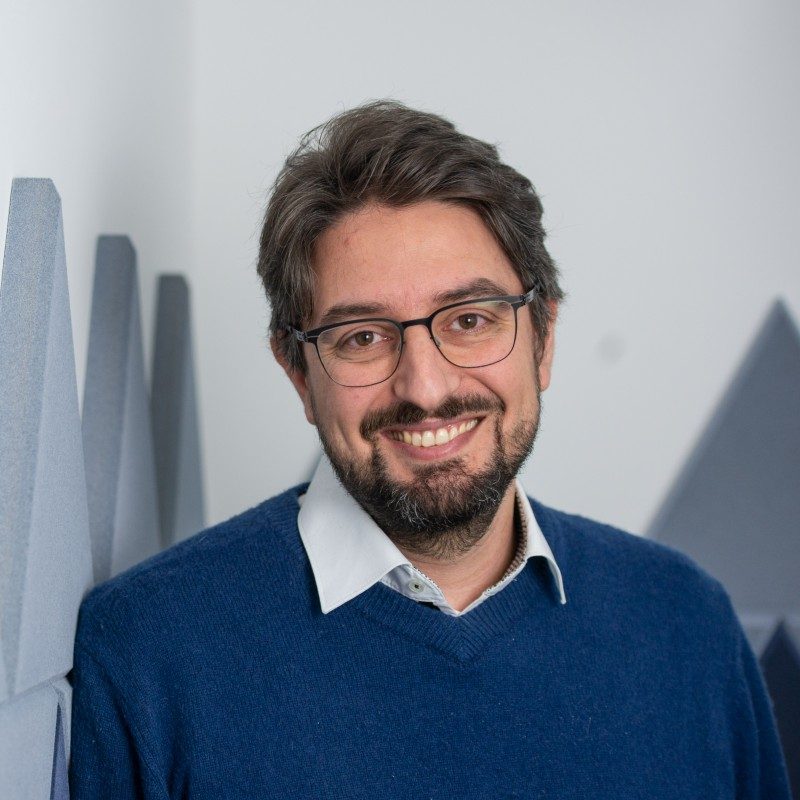
Dr. Moritz Widmaier
Expert in Spatial Biology & Digital Pathology
ZEISS Research Microscopy Solutions
Dr. Moritz Widmaier is a recognized leader in spatial biology, digital pathology, and biomarker data analytics. Currently at ZEISS Research Microscopy Solutions, he drives innovation in spatial biology workflows, focusing on automation, AI-powered image analysis, and advanced imaging solutions like the ZEISS Axioscan 7 spatial Biology.
With a Ph.D. in Biochemistry and a unique ability to bridge the gap between complex biology and data science, Dr. Widmaier has a proven track record of developing cutting-edge AI and data analytics products. Prior to ZEISS, he held pivotal scientific and product leadership roles at industry-leading companies, including Definiens, AstraZeneca and Ultivue.
His extensive expertise spans across (immuno-) oncology, multiplex immunofluorescence reagent chemistry and assay development and machine learning. Today, Dr. Widmaier specializes in helping researchers leverage automated imaging and AI to turn intricate spatial data into reproducible, actionable clinical and research insights.
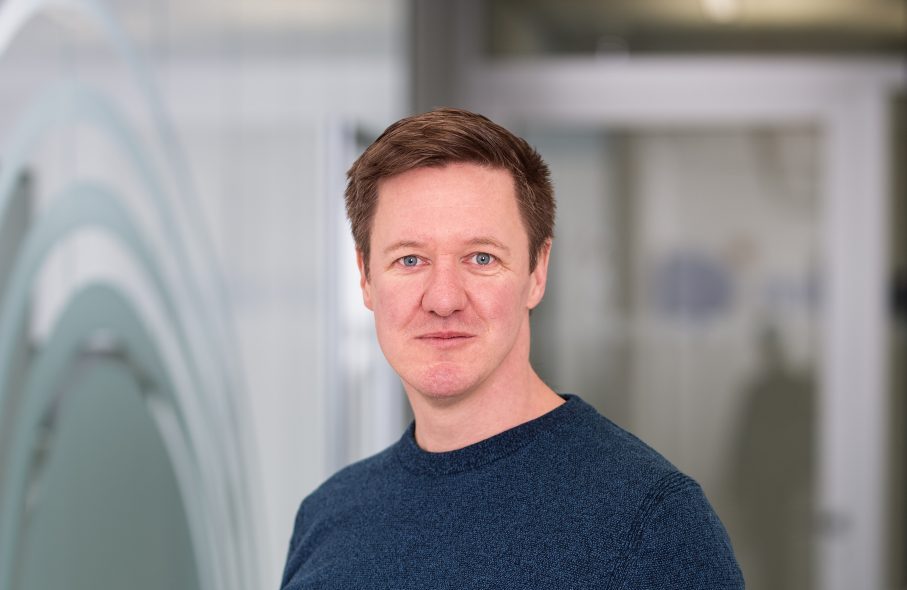
Dr. Fabian Schneider
Senior Product Manager
Mindpeak
Fabian Schneider, PhD, is Senior Product Manager at Mindpeak, where he shapes the development and delivery of AI solutions for pathology. He has more than a decade of experience across leading organisations in computational pathology, oncology and biomarker research. His career has spanned both scientific and product leadership, from contributing to the establishment of automated data reporting for digital pathology assay data supporting clinical oncology studies at Roche, to advancing computational pathology pipelines at AstraZeneca and leading product development for research solutions at Visiopharm.
With a doctorate from the University Hospital Frankfurt focused on Wnt signalling in tumour formation and angiogenesis, followed by postdoctoral research at the Karolinska Institutet and the Technical University of Munich, Dr. Schneider combines scientific depth with hands-on experience in product strategy and clinical translation. At Mindpeak, he draws on this background to guide the development of AI tools that are scientifically robust, clinically relevant and aligned with the needs of pathologists worldwide.
