Overview
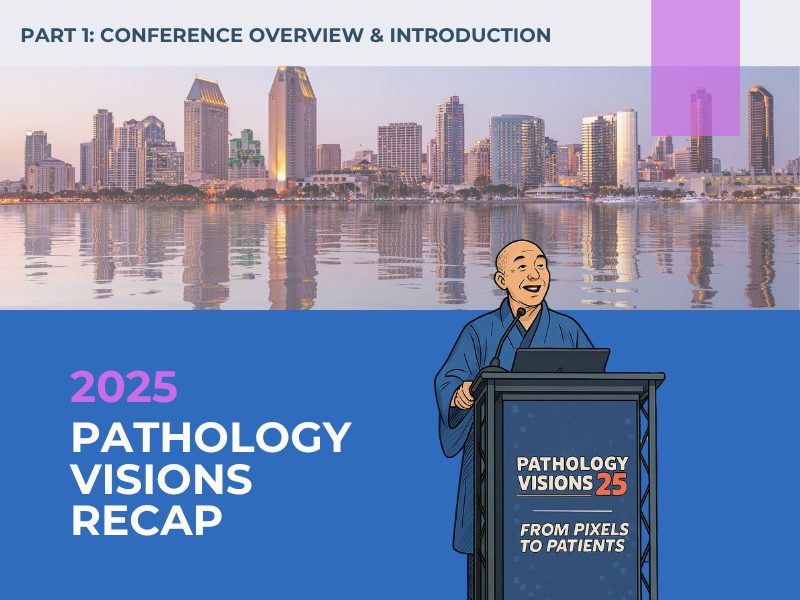
Over 1000 pathologists, researchers, healthcare professionals, and industry leaders converged on Pathology Visions 2025 in San Diego to explore how technology continues to reshape diagnostic practices. This year’s three-day meeting featured over 60 speakers presenting their research and practical applications of digital pathology tools. The conference also featured nearly 100 sponsors and exhibitors showcasing the latest advancements in digital pathology.
This year’s conference theme was “From Pixels to Patients,” capturing the essence of where digital pathology finds itself in 2025. This theme reflects a shift from proof-of-concept studies to conversations about how new technologies can be used to benefit patients. Unlike previous years, speakers did not debate whether artificial intelligence (AI) belongs in pathology; rather, they discussed deployment strategies, reimbursement mechanics, and how to retrain experienced pathologists for a changing diagnostic landscape.
The exhibition hall also reflected this shift towards patient-centered care, with vendors showcasing not just advanced technical capabilities but also integrated workflows and how their products fit into existing laboratory information systems and connect with broader healthcare IT infrastructure. Companies that used to focus on scanning hardware now emphasize their AI partnerships and cloud-based platforms, offering comprehensive digital pathology ecosystems.
Foundation models were discussed in several of the sessions. Multiple speakers explored how these large-scale AI systems, trained on tens of thousands of whole slide images, might transform cancer diagnosis and hematopathology. Discussions also included practical concerns about validation, interpretability, and the risk of algorithmic bias when models trained predominantly on data from certain populations get deployed universally.
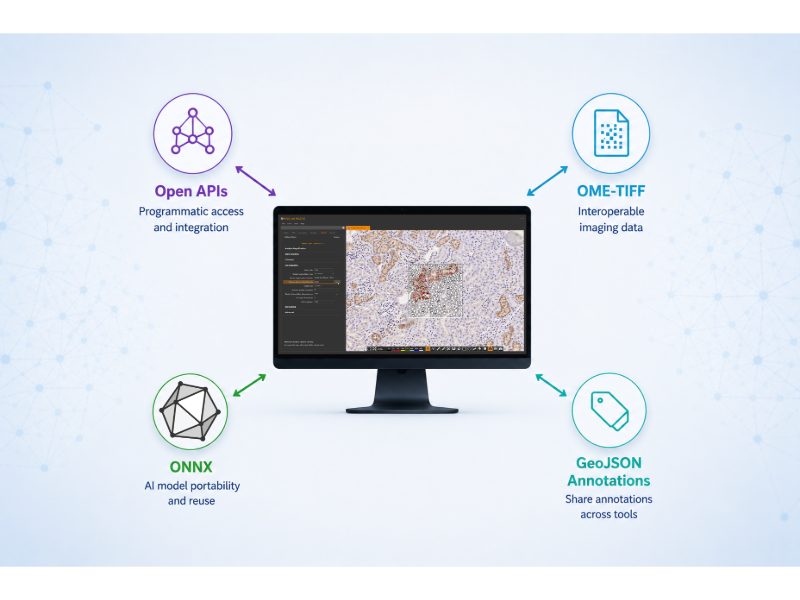
The DICOM Connectathon results session drew a large crowd, suggesting that, beyond the AI discussions, the community recognizes that none of this technology matters if different systems cannot exchange data reliably. Standards and interoperability might not generate headlines, but they are what make scaled deployment possible.
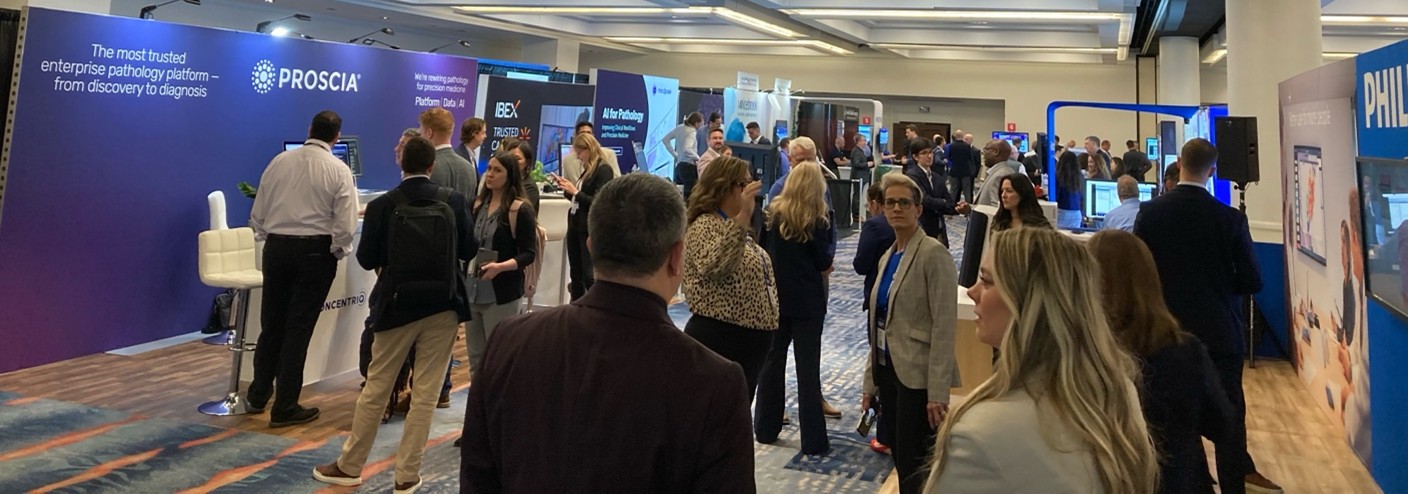

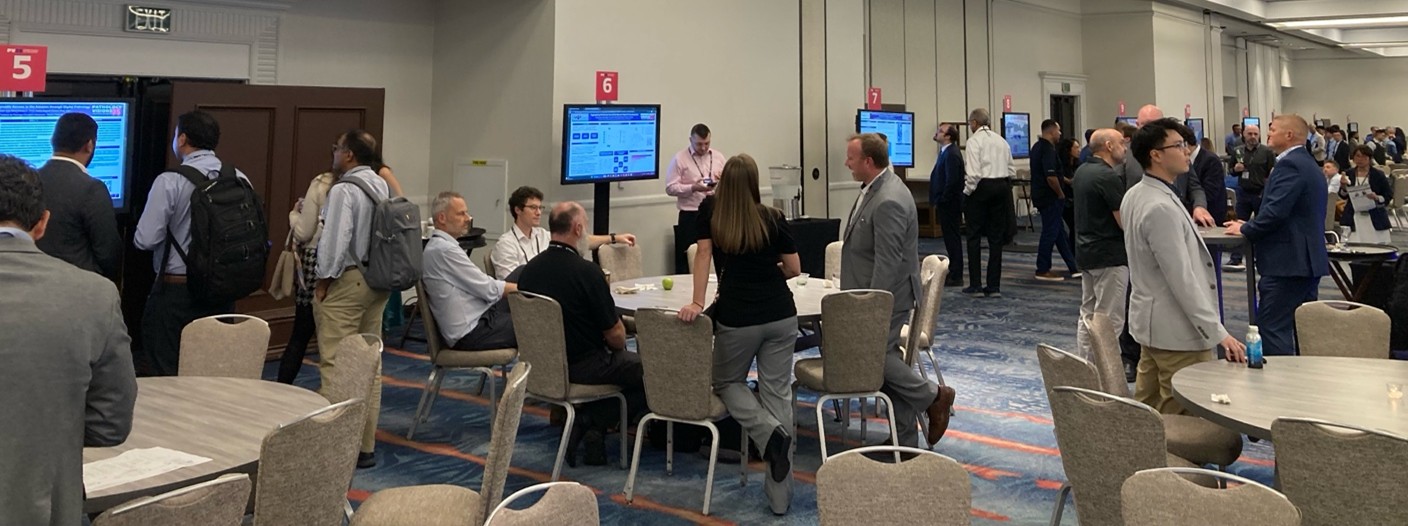
Vendor and poster exhibitions at Pathology Visions 2025, showcasing the latest technologies and advances in the field.
Opening Session
Pathology Visions 2025 opened with a forward-looking address from Digital Pathology Association (DPA) President Junya Fukuoka, MD, PhD, Professor and Chair of the Department of Pathology Informatics at Nagasaki University Graduate School of Biomedical Sciences.
The president took time to recognize the many individuals who made the conference possible, including the program committee members, session moderators, and poster judges. He also announced this year’s recipients of travel awards, developing economy awards, and Digital Anatomic Pathology Academy (DAPA) trainee awards. These young investigators, he suggested, represent the future leadership of digital pathology, with some potentially becoming board members or even future DPA presidents.
Fukuoka talked about the evolution and expansion of DPA since its founding in 2009. DPA has grown into a global organization, with over 35% of its membership now coming from outside the United States. The DPA has established six categories for its future vision through 2030: education, regulatory standards, collaboration, reimbursement, standardization, and membership growth. These goals are being pursued through active committees that meet regularly to develop educational resources, expand membership, establish regulatory frameworks, and foster patient and public engagement and involvement.
Fukuoka also addressed the educational resources of the association, including DAPA, a whole slide image educational tool containing over 1,000 annotated digital slides with diagnoses. DAPA allows members to access rare and challenging cases with expert annotations, making it a valuable resource for lectures and pathology training programs. The society also produces podcasts and other educational materials to advance knowledge sharing across the global digital pathology community.
Fukuoka concluded the opening session by acknowledging the support of benefactors, champions, and industry members. He thanked the executive committee and board of directors for their strategic guidance, and announced that applications for non-industry board positions would open soon. He also reminded attendees that although advances in technological tools are important, the ultimate goal is improving patient care. This theme would resonate throughout the conference, particularly in the keynote address that followed, which focused on bridging the gap between diagnosis and patient outcomes.
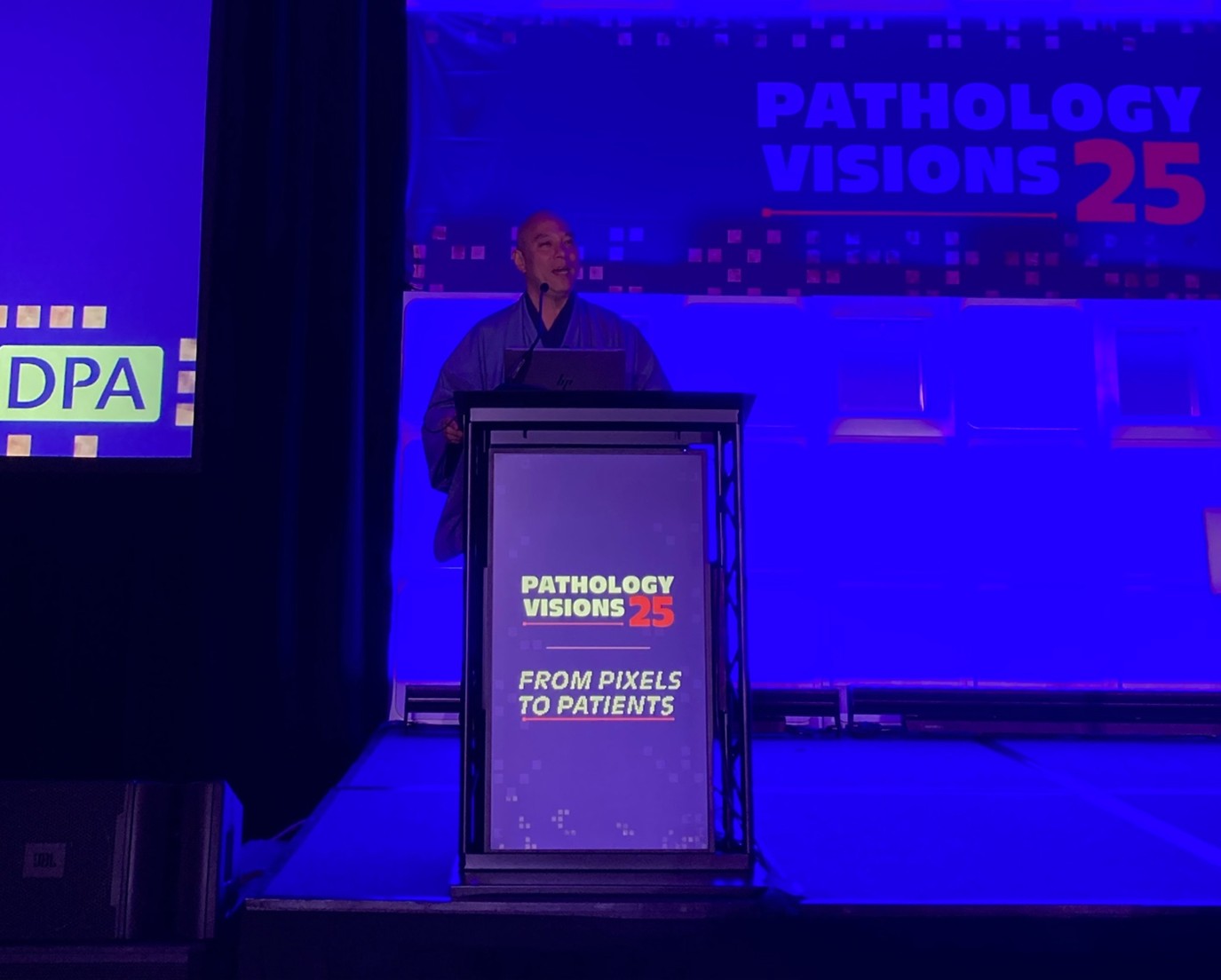
DPA President, Junya Fukuoka, MD, PhD, Professor & Chair, Department of Pathology Informatics, Nagasaki University Graduate School of Biomedical Sciences.
No audio available for this article yet.
No quiz available for this article yet.