The conference featured several talks that focused on bridging the gap between diagnosis and patient understanding, as well as on how advances in digital pathology can be leveraged to improve patient-centered care.
Pathologist Launches Patient Pathologist Consult Clinic to Help Patients “See the Dragon They’re Slaying”
When Evalynn Linnea Olson was diagnosed with stage 4 lung cancer and given less than 6 months to live, she had an unusual request: she wanted to see what her cancer looked like under a microscope. Not just read about it or hear a description — actually see it. So she traveled to a hospital outside her hometown of Lowell to view lung cancer slides.
Lija Joseph, MD, Chief of Pathology and the Medical Director of Pathology and Laboratory Medicine at Lowell General Hospital, learned about Olson’s story and thought, “If a patient lives in Lowell and wants to see what the tumor looks like, the patient can come to me.”
That thought in 2015 was the catalyst for the development of a Patient Pathology Consult Program, which has served more than 250 patients thus far and is helping reshape how pathologists engage with the people whose tissues they examine daily. Olson, who eventually lived 12 years after receiving her diagnosis thanks to targeted therapy, later told Dr. Joseph something that would become the program’s unofficial motto: “Don’t ever give up on patients like me. There are hundreds of us who really want to understand their disease before their bodies are cut, burned, and poisoned.”
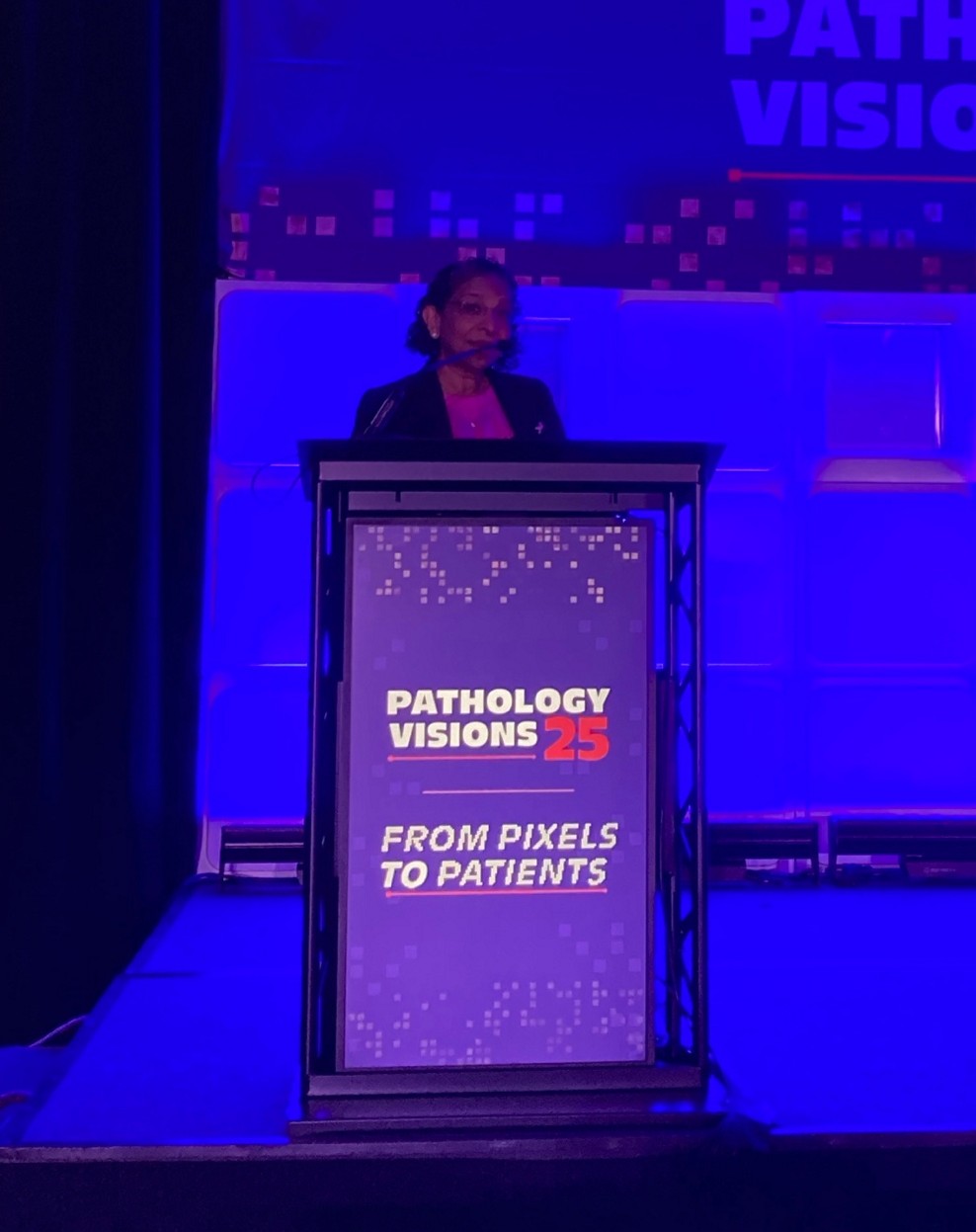
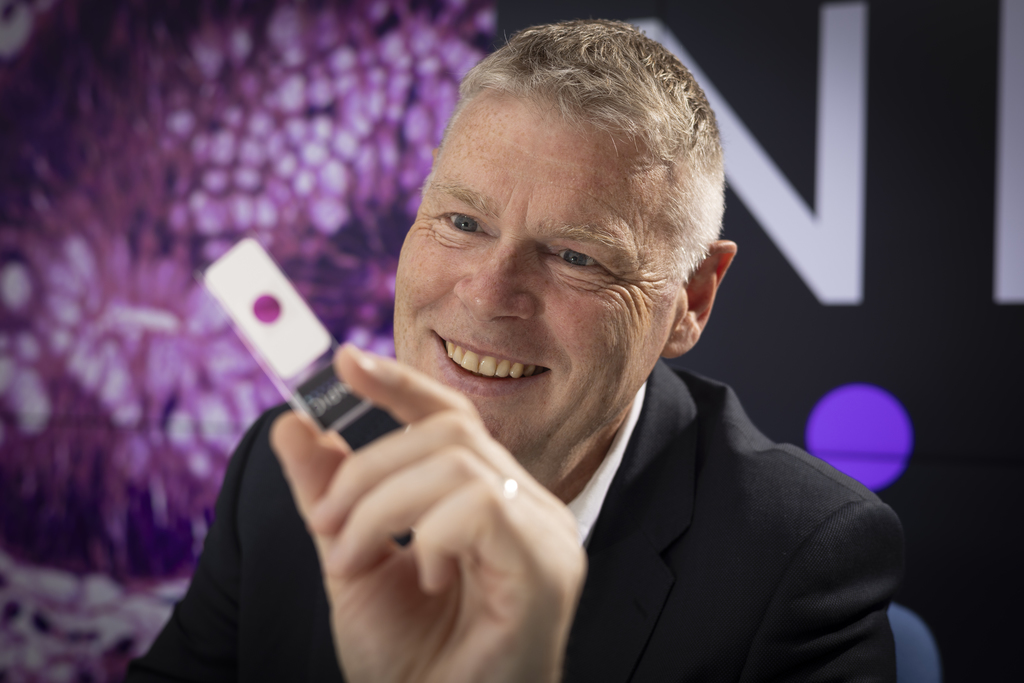
Lija Joseph, MD, Chief of Pathology and the Medical Director of Pathology and Laboratory Medicine at Lowell General Hospital, USA.
Bridging the Gap Between Diagnosis and Patient Understanding
In an interview with Pathology News, Joseph explained that the program addresses a gap in patient care.
“The patient who encounters a cancer diagnosis or undergoes a biopsy is in a state of enhanced anxiety,” she said. “Even when they access their biopsy reports, either via the portal or the primary team, they often have many unanswered questions. Due to ready access to the internet, they may get a lot of misinformation, and this can exacerbate their fears; this was the gap that I thought a pathologist could fill.”
Since March 2017, Lowell General Hospital has operated an outpatient pathology clinic every Tuesday afternoon, functioning just like any other specialty clinic. Patients can call a number to schedule an appointment and sit down with a pathologist to review their slides and understand their diagnosis. The consultations are documented in chart notes and billed, making them reimbursable and not volunteer work.
The program has grown from having Joseph as the sole pathologist to now having all six pathologists in the community practice meeting with patients. Although most patients attending the program have cancer diagnoses, others come to understand benign findings. The youngest patient was 11 years old; the oldest was over 90. Because of the area’s predominantly immigrant population, interpreter services are used just as they would be in any other medical clinic.
A Patient Champion’s Perspective
Sharing the stage with Joseph was Deedee O’Brien, Executive Director of Ironstone Farm and a patient champion with the American Society for Clinical Pathology. O’Brien’s journey through the healthcare system was long. Her mother died from complications of chronic lymphocytic leukemia and Stevens-Johnson syndrome. O’Brien herself was diagnosed with renal cell carcinoma and later meningioma; her partner died from a neurological disorder, her brother died from metastatic prostate cancer, and her current partner was paralyzed from the waist down by transverse myelitis.
Through this journey, O’Brien learned that the “truth isn’t the doctor or the pharmacologist you see — it’s in the lab, behind the scenes.” When O’Brien met her own pathologist through the patient champion program and saw her leukemia slides, the experience changed her view of her condition.
“You cannot imagine from the patient’s side to be able to see what is happening in your body and to understand it and to be able to move on with life,” she said during the session.
Joseph’s patients echo the same sentiment.
“Knowledge is power! I have heard this so often from patients,” she said in the interview. “It helps them to understand what is going on, and this is very helpful in a time when they need guidance in navigating an unknown phase of their journey to wellness.”
According to Joseph, most oncologists prefer pathologists to speak directly with patients. The implementation of the 21st Century Cures Act, which gives patients access to their test results, has increased demand for such consultations.
Expanding Pathologist Consultation Clinics
Although the model established by Joseph involves in-person visits, she noted that virtual clinics could expand access to pathologist consultations.
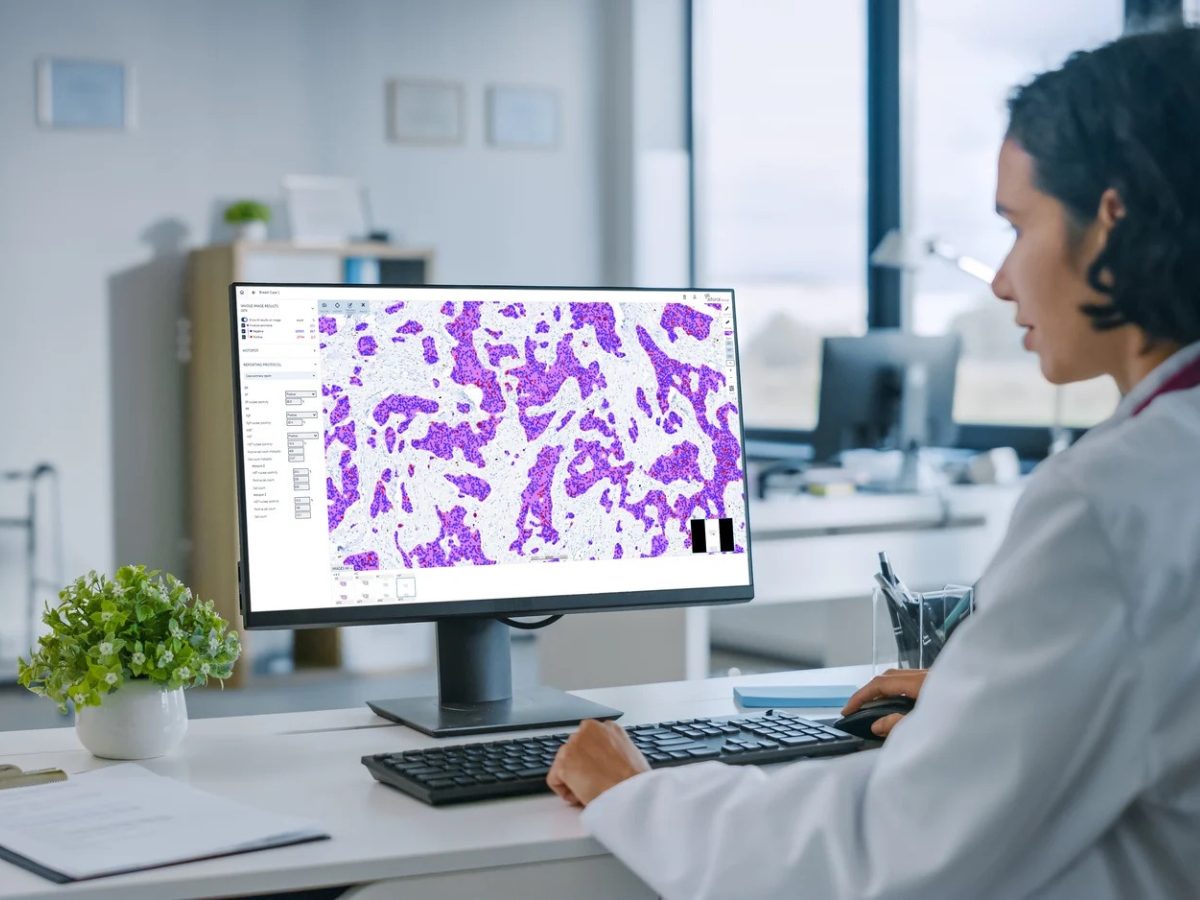
“Imagine the reach through digital pathology of patients from all over the world who may be able to access your expertise through a safe and secure portal,”
she said during the session. AI-generated patient-friendly reports, such as those generated using MyPathologyReport.ca, are already being used to improve both patient and physician understanding of pathology results.
However, Joseph acknowledged that clinics wanting to implement a similar program may face some challenges.
“From a pathologist’s perspective, it is a ‘service’ that they may not have been trained to offer during their residency,” she explained in the interview. “Making a case to the leadership can be challenging, as they would want to know the resources that need to be deployed.”
But the benefits are clear. On December 12, 2023, an hour and a half before her own breast cancer surgery, Joseph stood in her breast surgeon’s office looking at a poster about her pathology clinic. Seven years of helping patients see their dragons had prepared her to face her own. As she told the audience, “All of my patients helped me see the dragon that I was going to be slaying.”
No audio available for this article yet.
No quiz available for this article yet.