Speakers at the conference discussed recent efforts to establish practical and collaborative frameworks to integrate digital pathology platforms and AI models into clinical practice.
UK’s National Pathology Imaging Cooperative Builds Foundation for AI-Enabled Diagnostics
The National Pathology Imaging Cooperative (NPIC) has established one of the largest digital pathology platforms in the world, providing a blueprint for healthcare systems seeking to integrate AI into diagnostic workflows. In her presentation at Pathology Visions 2025, Daljeet Bansal, BMedSci, PhD, Director of Operations at NPIC, discussed how the initiative has deployed digital pathology across 18 hospitals, scanning 2.5 million images and generating 4 petabytes of data. The program now covers approximately 20% of NHS laboratories in England and supports two national networks focused on pediatrics and soft tissue and bone pathology.
“Our vision is to have a pathology image for every cancer patient in the NHS,” Bansal explained during her presentation. This goal reflects the dual mandate of NPIC: enabling clinical digital pathology as a functioning system while building infrastructure to develop and evaluate AI tools.
NPIC’s approach to image quality offers valuable lessons for hospitals considering digital pathology implementation. The AI FORGE facility of the program houses over 15 scanners from ten vendors, creating a unique environment for addressing concerns about scanner variability.
“Each scanner has its own characteristics from how it handles color and resolution to how it captures slide focus, so standardizing these differences is critical to building a reliable dataset,” Bansal said in an interview with Pathology News. “All images go through a robust, multi-layered quality control and assurance process. A semi-automated approach with images reviewed by our team, expert imaging specialists under one environment.”
In her presentation, she explained that this human-in-the-loop methodology ensures that datasets are suitable for AI model training, population health research, and clinical trials. The facility can process 4,000 slides daily and has already scanned over 260,000 images for research purposes.
NPIC distinguishes itself through systematic patient involvement, led by Bethany Williams and the program’s patient and public advisory group. The 15-member forum reviews live research projects, discusses ethical considerations, and helps shape data sharing principles.
“At the NPIC, we work closely with hospitals and patient groups to ensure transparency around how and why tissue samples are digitized and how they may be used in future AI research,” Bansal noted in the interview. “Our patient group has consistently expressed support for their data being used in research, and we actively encourage the early involvement of patients and the public in shaping studies from the outset.”
This emphasis on transparency extends throughout NPIC’s operations. Researchers from academia and industry present proposals to the patient forum to ensure that ethical considerations are addressed early in the project lifecycle.
Infrastructure at NPIC supports the entire AI lifecycle, from dataset creation through deployment and monitoring. The program has partnered with Genomics England to scan over 200,000 images from the 100,000 Genomes Project, creating what Bansal described as “a repository bigger than TCGA” that brings together genomics and pathology data.
Through collaboration with CellPath, NPIC also provides access to over 500 million archive slides from the UK’s National Archive, with two scanners deployed on-site for direct digitization.
However, Bansal acknowledged that significant hurdles remain for widespread AI adoption.
“One of the biggest bottlenecks in moving AI tools from research into real-world diagnostics is technical readiness,” she explained in the interview. “Most AI vendors offer cloud-based solutions, so additional work is often needed to ensure their tools can integrate safely and effectively into our environment,”
which is based on secure, private cloud and on-premise infrastructure aligned with NHS data governance standards.
There are also funding challenges to overcome.
“Rolling out AI at scale comes with significant costs from infrastructure and integration to validation and ongoing support,” Bansal said in the interview. “At present, even when an AI tool demonstrates clear clinical value, there’s no established cost reimbursement model to support sustainable, widespread deployment across hospitals.”
NPIC addresses the evaluation gap through its ENSURE AI program, which independently assesses commercial AI products. The initiative is currently evaluating four prostate cancer tools using retrospective datasets, with plans to expand to breast pathology and other specialties.
“We’re keen to independently evaluate AI tools using real-world pathology data before they’re introduced into diagnostic workflows,” Bansal emphasized. “We see it as essential to ensuring clinical safety and building trust in AI-enabled diagnostics.”
With a team of 60 staff members and support for over 25 research projects worldwide, NPIC demonstrates that successful digital pathology transformation requires more than technology; it also requires sustained investment in infrastructure, standardization, patient engagement, and rigorous evaluation frameworks.
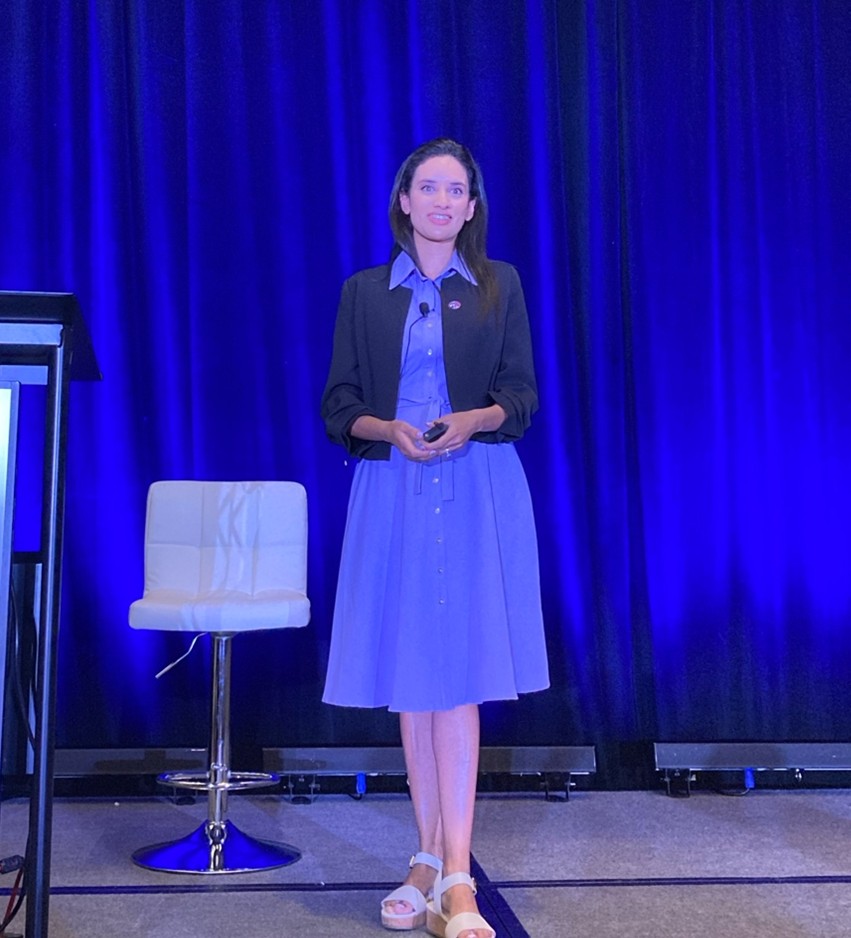
Daljeet Bansal, BMedSci (hons), PhD, Leeds Teaching Hospitals NHS Trust, Director of Operations and strategic partnerships at the NPIC, UK.
No audio available for this article yet.
No quiz available for this article yet.