by Christos Evangelou, MSc, PhD – Medical Writer and Editor
In an interview with Pathology News, Catarina Eloy, MD, PhD, lead author of the European Society of Pathology (ESP)’s expert opinion paper on digital pathology transformation, discussed with us how the shift to digital workflows is reshaping pathology practice and patient care.
Pathology Transformation in Europe
Dr. Eloy explained that in pathology departments across Europe, microscopes that have served as the cornerstone of diagnostic practice for over a century are being supplemented, and in some cases replaced, by high-resolution digital scans and computer screens. This transformation is more than just a technological upgrade—it is a fundamental transformation of how pathology services are delivered.
“Digital transformation consists of introducing automation and robotization to our practice, reducing the manual component and increasing precision,” explained Dr. Eloy. “In transferring the manual component to machines, this transformation brings the promise to help manage the shortage of pathologists and bring comfort to our daily practice.”
The ESP recommendations come at a time when pathology departments worldwide face several challenges, stemming from increasing case complexity, growing workloads, and a concerning shortage of specialists. Digital pathology could help address these challenges, but implementation requires careful planning and significant investment.
Quality and Precision
Dr. Eloy emphasized that although improved workflow efficiency is often cited as a primary benefit of digital pathology, improvements in diagnostic accuracy are equally important.
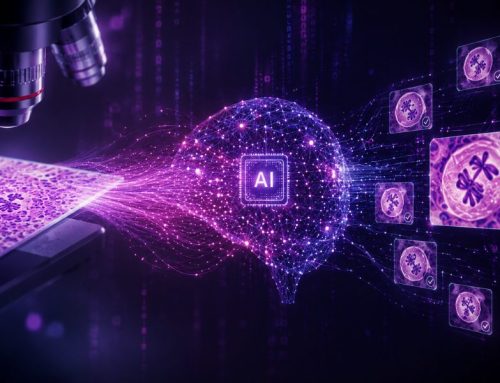
“In my experience, digital transformation is only possible when quality control is very strict,” she noted. “For those who have achieved digital transformation and implemented artificial intelligence, AI can serve as a quality control or second opinion tool. I trust that being better and faster is what pathologists can do to improve patient care.”
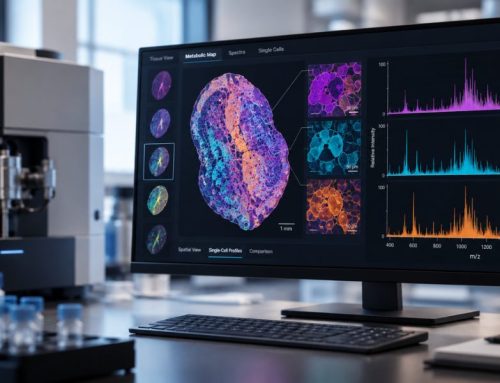
She added that the digital workflow enables precise measurements, side-by-side comparison of slides with different stains, and easier access to previous specimens, capabilities that can enhance diagnostic accuracy. Digital slides cannot be lost, broken, or degraded over time, ensuring that valuable diagnostic material remains accessible indefinitely.
The Challenge of Hybrid Workflows
The ESP recommendations caution against hybrid workflows that maintain both digital and analog processes, even though this hybrid approach might seem like a logical transitional step.
“The production of a glass slide meant to be observed under the microscope is different from one meant to be scanned,” she explained. “Tissue thickness control, staining control—all changes. If an institution chooses to keep a double track, it’s not accomplishing the philosophy of global digital transformation with automation and standardization. It’s just preparing some slides to be scanned and bringing extra workload on the technical and medical team.”
This perspective challenges the notion that digital transformation can be implemented gradually. Instead, the ESP experts suggest that although implementation should be progressive according to a pre-established plan, the goal should be a fully digital workflow rather than a permanent hybrid state.
Infrastructure and Investment
Digital transformation in pathology departments requires significant investment that goes beyond scanners and viewing stations. Successful adoption of digital technologies relies on robust IT infrastructure, storage solutions, and workflow redesign.
When asked about essential first steps for institutions with limited budgets, Dr. Eloy said:
“The most important element for a pathology institution to start the digital transformation is to have a dedicated and very plastic laboratory information system with an incorporated tracking system. This resource is lacking in many laboratories and is the basic condition to start.”
The ESP paper emphasizes that investment is not limited to the initial purchase of technology, but rather represents an ongoing commitment to keep processes up to date, reflecting the evolving needs of developing technology. However, the experts note that although renewal of digital equipment is more frequent than with analog systems, it typically comes at lower costs than the initial investment.
Addressing the Pathologist Shortage
One of the most promising aspects of digital pathology is its potential to help address the growing shortage of pathologists. Dr. Eloy suggests that digital transformation may attract early-career professionals to the field.
“These aspects, together with the precision-associated added value and the technological component, are certainly subjects that may constitute attractive factors to early-career pathologists,” she noted.
Digital workflows also enable more flexible working arrangements, including remote reporting and easier consultation between specialists. This capability could enhance diagnostic workflows, particularly for underserved areas.
“This plasticity of the whole slide image that enables cases to travel fast in the virtual world has the virtue to accelerate the review of slides that were previously sent by post office and makes consultation of difficult cases easier, warranting best quality in these situations,” Dr. Eloy explained.
Remaining Challenges: Cytology and Standardization
Dr. Eloy acknowledged that the digitization of cytology specimens has proven particularly difficult:
“The issues related to digitizing cytology today are related to lack of standardization in cytological procedures and in the technical capacity to rapidly generate a low-MB high-quality whole slide image by most scanners. The problem is not just technological; it calls for a consensus on procedures that have not been achieved yet.”
This limitation could impact multidisciplinary care for patients whose diagnoses rely heavily on cytological assessment, particularly as pathologist shortages become more prevalent.
Looking Forward
The ESP experts strongly recommend that pathology departments prioritize digital transformation as a step toward improved patient care, as understanding this transition can help foster productive collaborations during this period of change.
When asked about quality assurance measures clinicians should look for, Dr. Eloy noted that the verification of the adequacy of quality control measures in a pathology department should be very strict.
“There are institutions specialized in inspecting the quality of pathology institutions, and their intervention is regulated by the law of each country,” she said. “In my personal perspective, accreditation should be mandatory for all pathology institutions.”
References
- Eloy C, Fraggetta F, van Diest PJ, et al. Digital transformation of pathology – the European Society of Pathology expert opinion paper. Virchows Arch. Published online March 31, 2025. doi:10.1007/s00428-025-04090-w
No audio available for this article yet.
No quiz available for this article yet.