The following abstract is drawn from a recently published paper in Journal of Multidisciplinary Healthcare. We invite you to read the full paper and join the conversation, become a member of the Pathology News community to share your thoughts, ask questions, and engage with others around this work.
Authors: Xiaodong Wang*, Jing He*, Gouping Ding*, Yixuan Tang*, Qianqian Wang*
Abstract
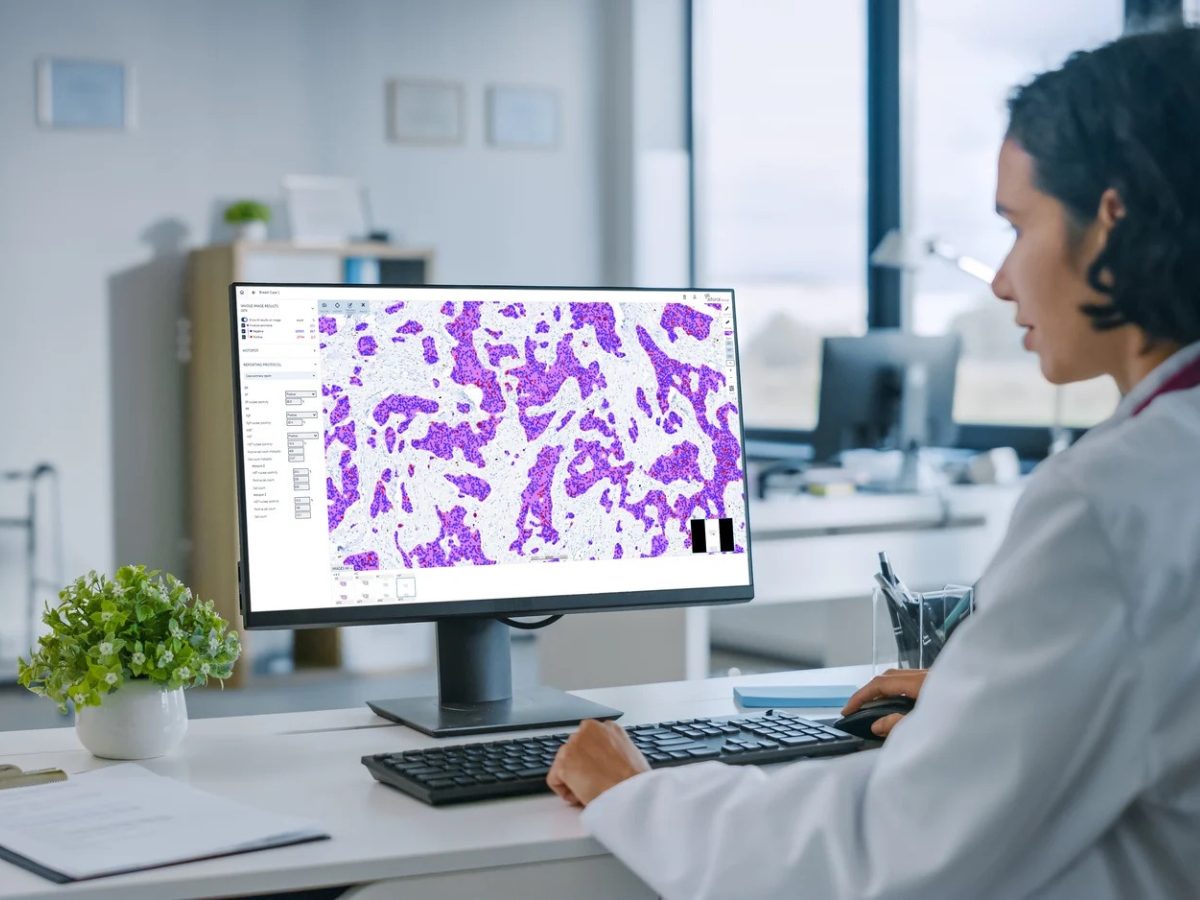
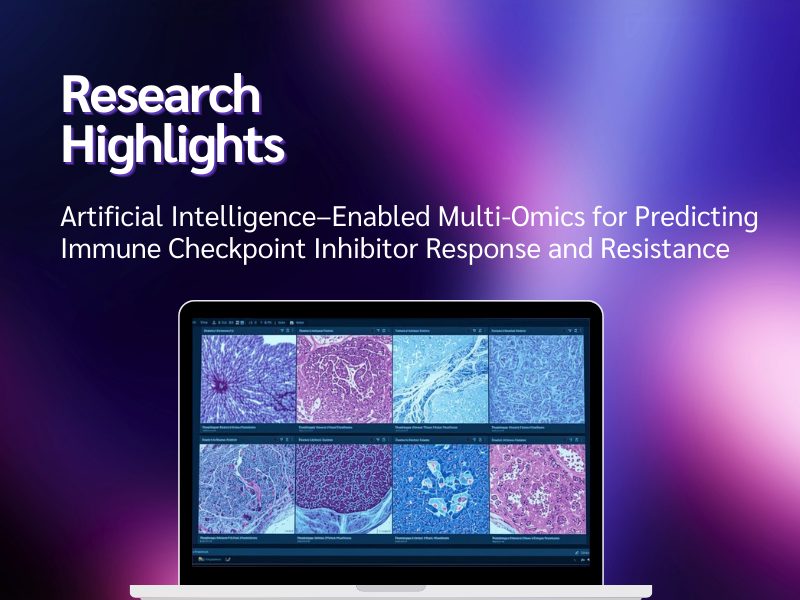
Immune checkpoint inhibitors (ICIs) have reshaped oncology, yet overall response rates remain modest and resistance is common, driven by tumor heterogeneity and evolving tumor–immune crosstalk. Established biomarkers (PD-L1, tumor mutational burden, microsatellite instability) provide incomplete prediction. Multi-omics profiling across genomic, transcriptomic, proteomic, epigenomic, metabolomic and microbiomic layers offers a systems-level view of malignant and immune states, uncovering determinants of ICI efficacy such as lineage plasticity, stromal remodeling, immunometabolic reprogramming and microbiome-associated immune modulation. Artificial intelligence (AI) is uniquely positioned to fuse these heterogeneous data, learn non-linear cross-layer signatures, and enable interpretable predictions using approaches such as SHAP and Grad-CAM. Representative models link routine histology or imaging to molecular phenotypes, stratify patients beyond single biomarkers, and may nominate rational combinations that target oncogenic pathways, lactate-driven immune suppression, or the gut microbiome. In this narrative review, we synthesize recent AI–multi-omics advances for response modeling, immune-relevant tumor subtyping, and clinical translation, including radiomics/pathomics integration and liquid-biopsy–based monitoring, as well as emerging applications in toxicity risk prediction. We also discuss barriers to implementation—platform heterogeneity, limited prospective validation, bias, interpretability and cost—and outline future directions, including single-cell and spatial multi-omics integration, federated learning and generative modeling to improve robustness and equity of precision immunotherapy.
Read the full article: Integrating artificial intelligence and multi-omics approaches to pred | JMDH
*Department of Oncology, Zhuzhou Hospital Affiliated to Xiangya School of Medicine, Central South University, Zhuzhou, People’s Republic of China
No summary available for this article yet
No audio available for this article yet.
No quiz available for this article yet.