The following abstract is drawn from a recently published paper in the Journal of Pathology Informatics. We invite you to read the full paper and join the conversation, become a member of the Pathology News community to share your thoughts, ask questions, and engage with others around this work.
Authors: Kaitlyn Gelfanta, Ali Manzoa, Samiha Alamb, Md Mushfiqur Rahmanb, K. Hasan Bilala, Rushi Brahmabhattc, Suraj Nayakc, Nitin Singhalc, Dinesh Joshic, Evangelos Stamelosb, Ishtiaque Ahmedb, Jonathan Alarconb, Mohit Pasrichab, Maria Pirgousisb, Peter Ntiamoaha, Ahmet Dogana, Victor E. Reutera, Meera Hameeda, Orly Ardon a
Abstract
Introduction
Quality control (QC) remains a major challenge in digital histopathology, as artifacts introduced during slide preparation and whole-slide imaging (WSI) can compromise diagnostic accuracy. Automated QC has emerged as a potential solution to the scalability and variability limitations of manual review in digital pathology workflows. However, there is limited evidence describing real-world, enterprise-scale implementation of automated QC systems within high-throughput clinical environments.
Materials and methods
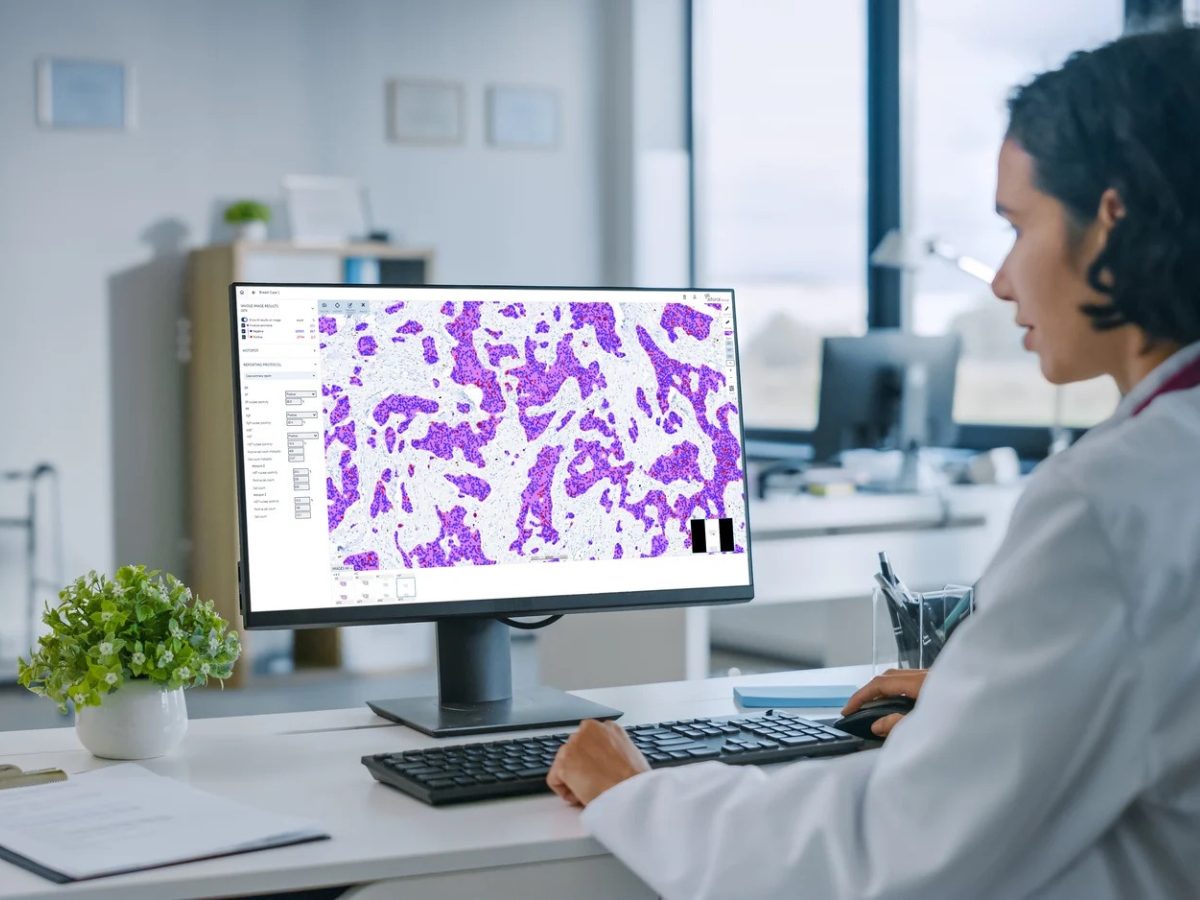
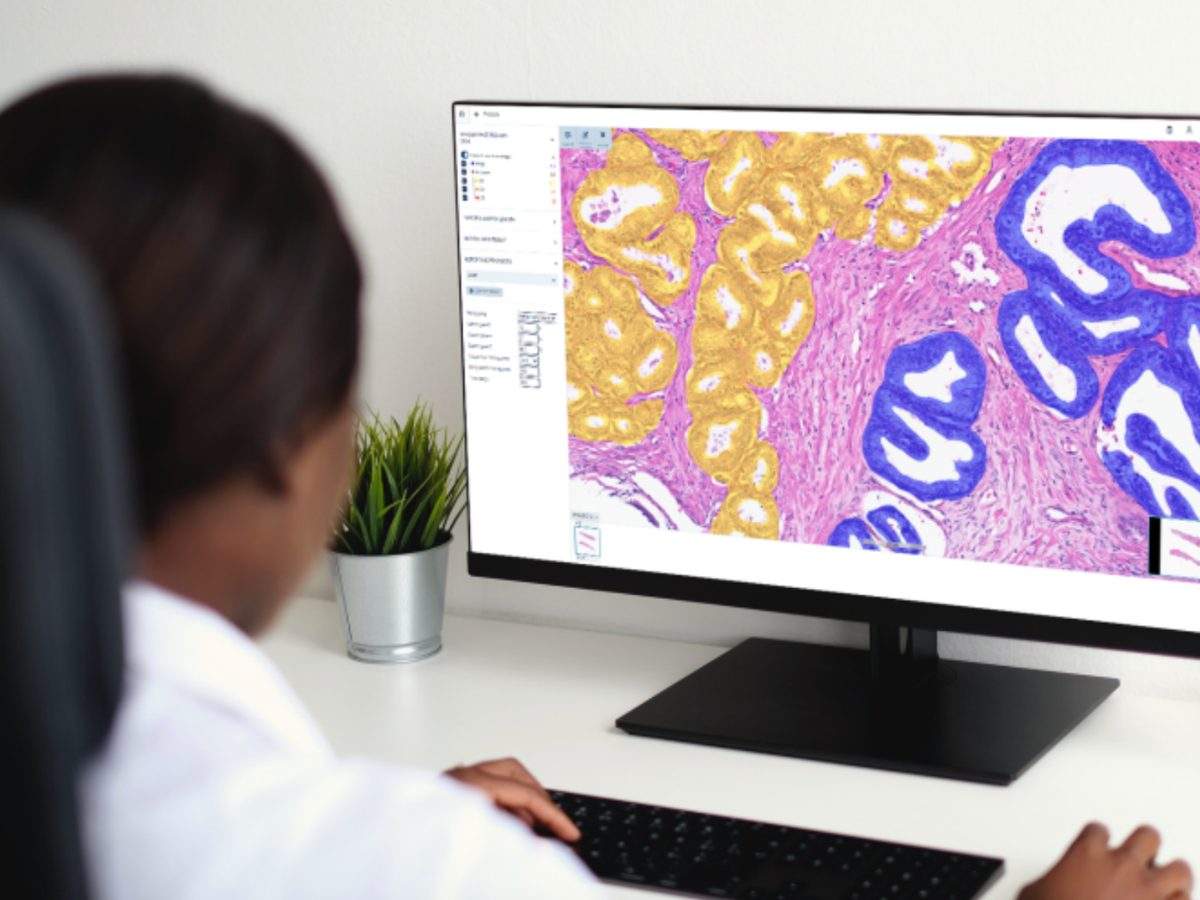
We evaluated the clinical implementation of a commercially available, AI-based automated QC platform (AIRAQc) within a large digital pathology lab. Feasibility testing included 60 histopathology slides scanned across 3 WSI platforms. Following enterprise integration, a retrospective operational analysis was performed on 94,995 WSIs generated over 1 month across 10 subspecialty services and multiple stain types. System performance, artifact prevalence, processing latency, reproducibility, and scalability were assessed using structured data exports, statistical analyses, and controlled load-testing scenarios.
Results
Artifact detection demonstrated high reproducibility across scanner platforms, with tissue fold detection showing >97% concordance and air bubble detection exceeding 98% concordance. Scanning-related artifacts, including missing tissue and blurred regions, varied by scanner model but were consistently identified. Across the clinical deployment, the mean analysis time was 17 s/image, with no analysis failures observed during load testing. Mean total artifact burden/image was 1.91%, with most images meeting predefined QC thresholds. The system maintained stable performance under sustained high-throughput conditions, supporting daily volumes exceeding 6000 slides without workflow disruption.
Conclusions
This study demonstrates the feasible deployment of an AI-based QC framework within a large-scale, multi-vendor clinical digital pathology environment. The QC framework enabled consistent assessment of routine WSIs with low per-image latency and sustained high-throughput scanning without workflow disruption. Consistent application of QC thresholds across a multi-instrument infrastructure reduced reliance on manual review and supports the integration of automated QC as a core component of contemporary digital pathology workflows.
Read the full article: Deployment of AI-driven automated quality control of whole-slide images in a large tertiary cancer center – ScienceDirect
- aDepartment of Pathology and Laboratory Medicine, Memorial Sloan Kettering Cancer Center, New York, NY, USA
- bDigital Informatics & Technology Solutions, Memorial Sloan Kettering Cancer Center, New York, NY, USA
- cAIRAMatrix Private Limited, Thane, MH, India
No audio available for this article yet.
No quiz available for this article yet.