
by Patrick Myles
CEOr, PathPresenter
Every day, patients rely on pathology second opinions to confirm diagnoses, guide treatment decisions, and connect them with subspecialty experts who may be located across the country, or across the world.
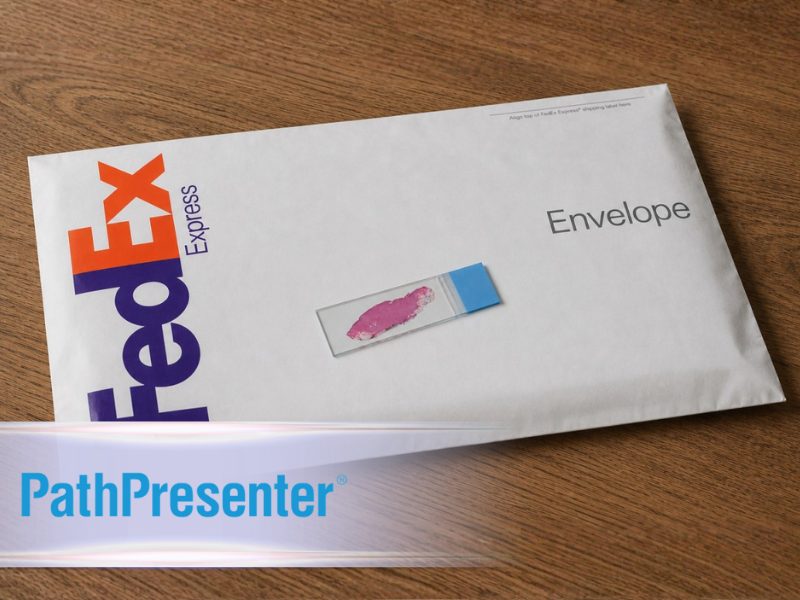
And yet in 2026, many of these consultations still begin the same way they did decades ago: a cardboard slide box. Bubble wrap. FedEx.
The expertise has never been the problem. The logistics are.
Why Second Opinions Matter
Pathology is increasingly specialized. A community pathologist may only encounter a rare tumor type a few times in their career, while subspecialty experts at academic centers review those cases every day.
Second opinions improve patient care by connecting physicians and patients with the right expertise, regardless of geography. But the workflow supporting these consultations remains heavily dependent on physical glass slides moving through shipping networks.
A typical external consult can still take 5–14 days—not because the diagnosis is difficult, but because the slides are traveling.
Along the way, there are familiar pain points:
- Shipping delays or lost slides
- Manual transfer of patient metadata
- Disconnected systems
- Multiple handoffs between institutions
- Additional delays for stains or molecular testing
Even when slides are digitized, many organizations are still relying on generic file-sharing tools with no integrated workflow, audit trail, or LIS connectivity. In many cases, we simply replaced FedEx with Dropbox.
Digital Pathology Changes the Equation
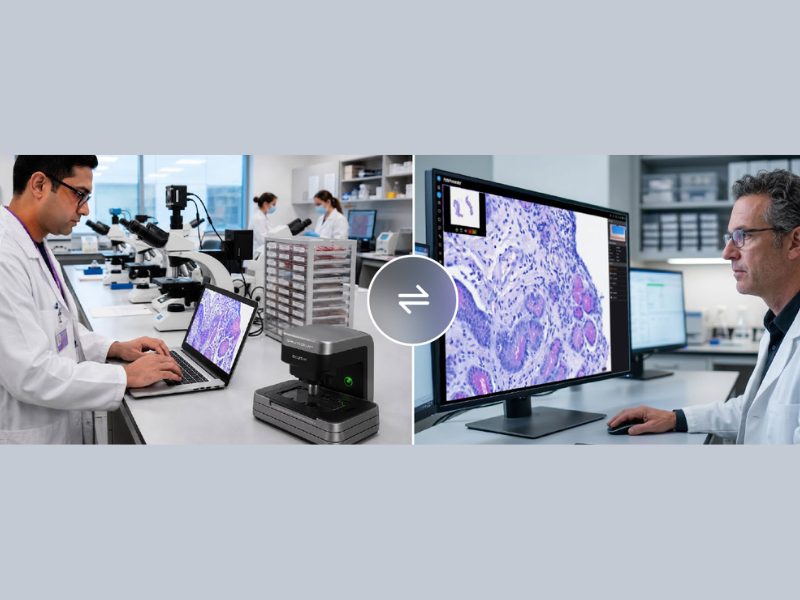
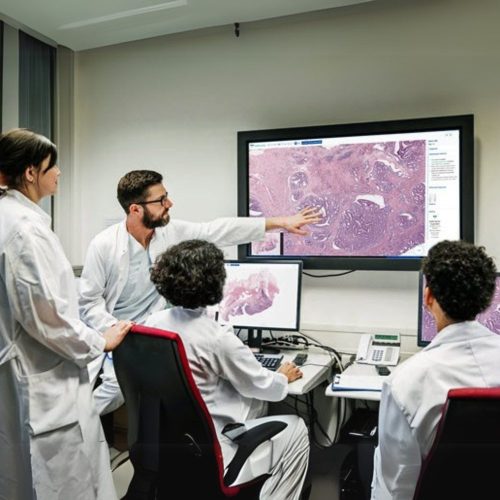
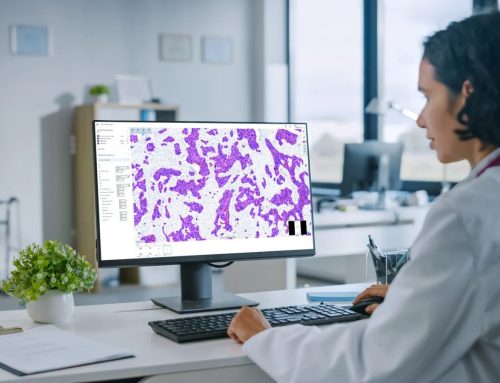
Digital pathology allows whole slide images to be securely shared instantly with experts anywhere in the world.
That means:
- Faster turnaround times
- Improved collaboration
- Better patient access to subspecialty expertise
- Reduced operational friction
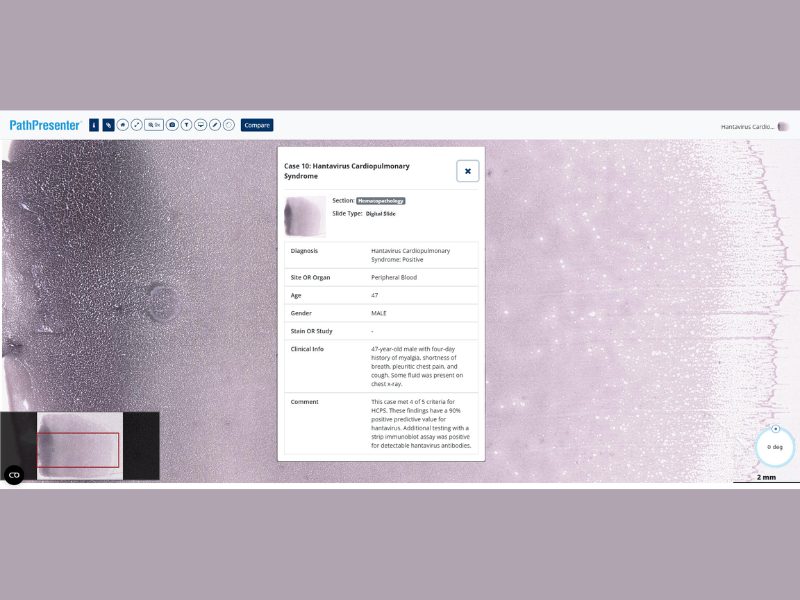
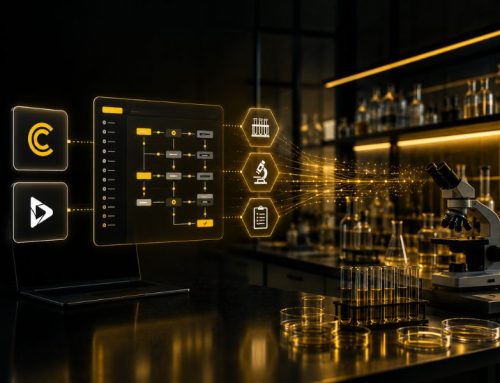
At PathPresenter, we recognized that remote consultation workflows require more than image viewing alone. They require infrastructure. That’s why we built a vendor-agnostic platform designed specifically for digital pathology consultations:
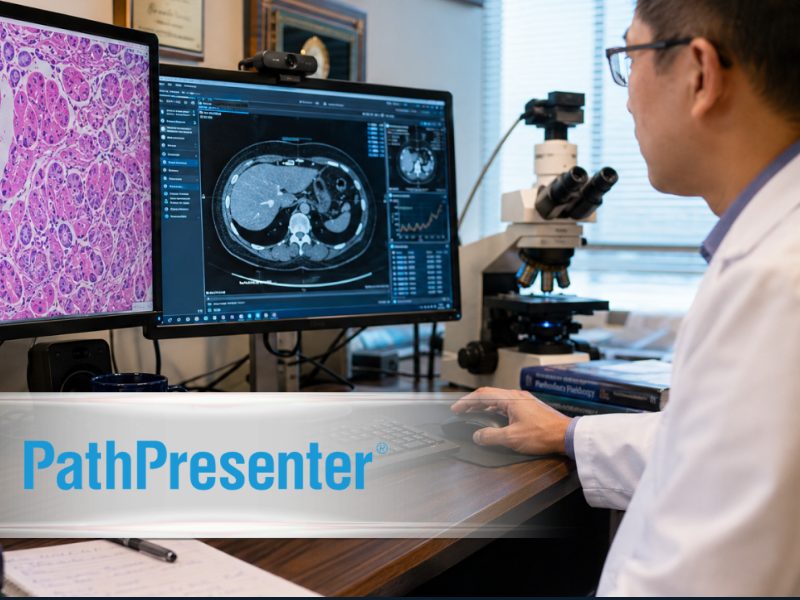
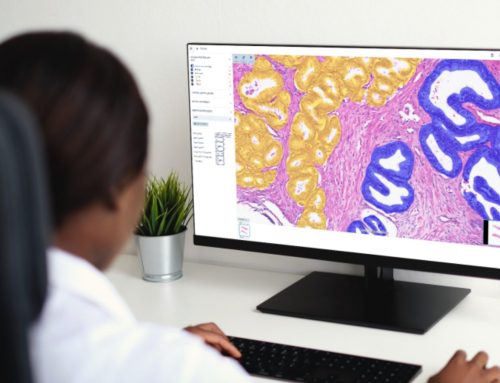
- Integrated viewing of pathology, radiology, and clinical images.
- Secure PHI-enabled collaboration
- Structured consult workflows
- Full audit trails
- LIS integration
- Async collaboration between institutions
- Integrated viewing of pathology, radiology, and clinical images
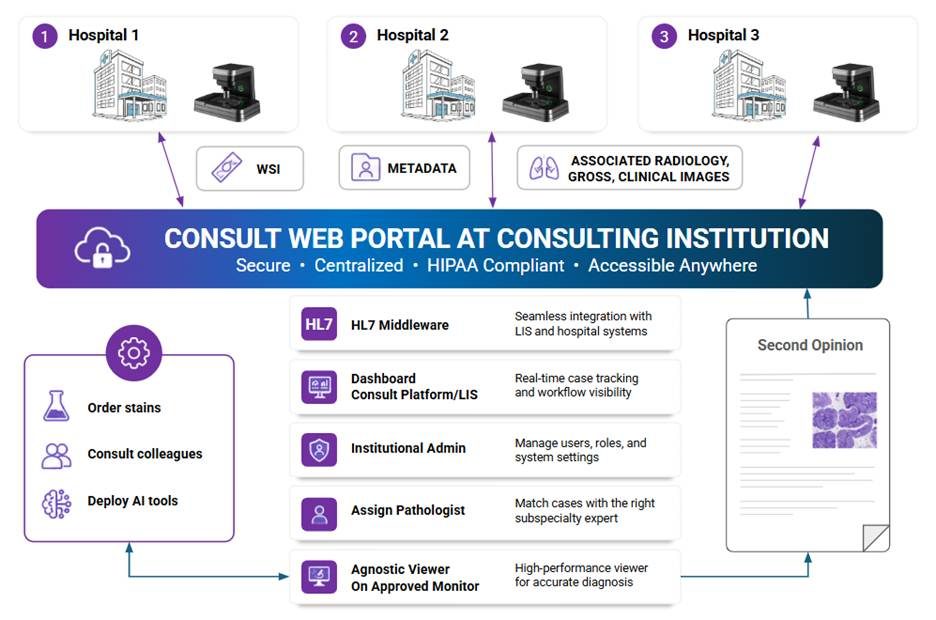
PathPresenter has a secure, scalable, and HIPAA compliant digital workflow for clinical consults and referral
Most importantly, we designed the system to work across scanners, storage platforms, AI applications, and laboratory system because pathology is never a single-vendor environment.
Making Digitization Standard Operating Procedure
One of the biggest opportunities ahead is extending digital pathology beyond large academic centers and into outreach and referral hospitals.
A fully digital consultation workflow only works if cases can originate digitally. Historically, barriers like scanner costs, storage requirements, deployment complexity, and interoperability challenges slowed adoption. But cloud-native platforms, zero-footprint deployment models, and improved interoperability are rapidly changing the equation.
The transition to digital pathology will require collaboration across the industry. The good news is that this collaboration is finally beginning to happen, with many highly capable but lower cost scanners available.
The Future of Pathology Shouldn’t Depend on FedEx
Patients should not wait days or weeks for access to subspecialty expertise because slides are sitting in transit. The technology already exists to make pathology consultations digital, connected, and immediate.
Now it’s time for the industry to work together, and with partners at institutions and outreach hospitals to scale it.
Looking to Digitize your Consultation Workflow?
If your institution is thinking about expanding digital pathology consultations, enabling remote second opinions, or building a more connected pathology network, we’d love to talk. Reach out to the PathPresenter team to learn how we’re helping institutions modernize pathology workflows and expand access to subspecialty expertise worldwide.
About the Author
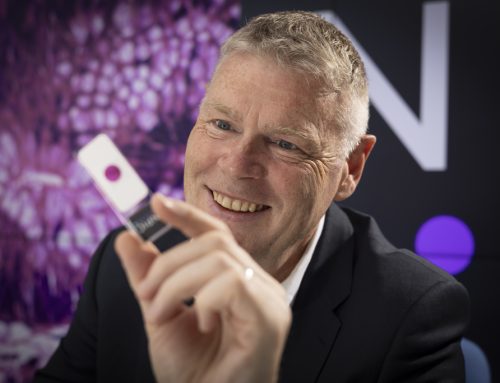
Patrick Myles CEO of PathPresenter. Previously, he was CEO of Huron Digital Pathology, and Vice President of Business Development for Teledyne DALSA. He served as a board member of the Digital Pathology Association.
Share this article

Follow us
Get Pathology News Delivered to Your Inbox