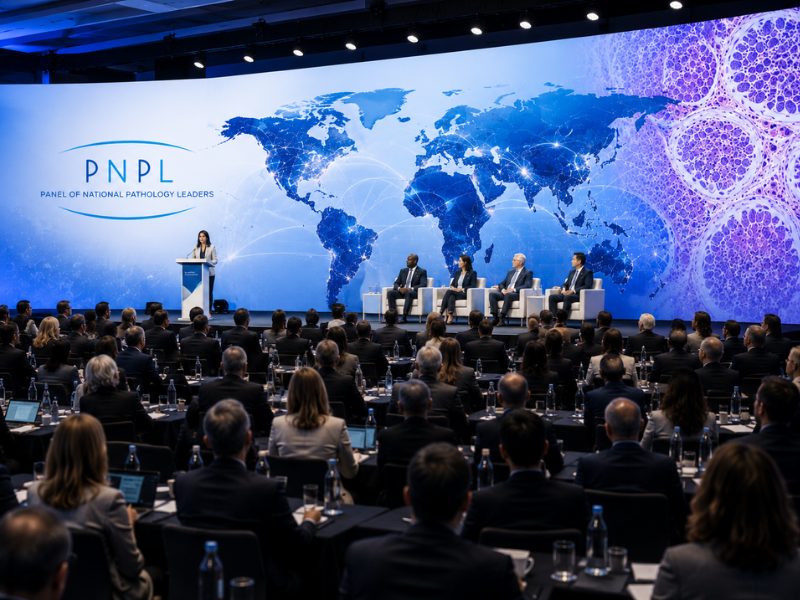
On April 27, 2026, the Panel of National Pathology Leaders (PNPL) hosted its inaugural all-day conference, The Summit, in New Orleans, bringing together pathology leaders, attorneys, consultants, and industry experts for an in-depth exploration of the financial, operational, legal, and workforce challenges shaping pathology practices today. The morning session was limited to PNPL Members and Board participants, while the afternoon meeting was expanded to invited guests and strategic partners. Throughout the day, attendees participated in highly practical discussions on hospital negotiations, digital pathology and AI, workforce strategy, regulatory risk, and the importance of collaboration and data-driven leadership. The Summit was co-hosted by McDonald Hopkins, with support from HUB International.
The morning meeting focused on PNPL’s forthcoming 2026 Hospital Negotiations Factbook, with presentations from Dr. Raed Sulaiman, President of Physicians Laboratory, and Robert Tessier, Co-Founder of PNPL. The session provided both a real-world case study and a strategic framework for strengthening hospital relationships and improving pathology contract negotiations.
Dr. Sulaiman detailed how his practice has built a highly collaborative and transparent relationship with hospital administration through continuous communication, reporting, and performance measurement. A major focus was the importance of structured, defensible time studies to accurately capture Part A activity. Rather than relying on sporadic reporting periods, his group utilizes a rotating time-study process conducted one week every four weeks, creating a more representative and credible picture of pathologists’ administrative responsibilities over the course of the year. These data are reviewed quarterly and shared regularly with hospital leadership.
The presentation also emphasized the importance of transforming complex laboratory information into concise, executive-level reports that hospital administrators can easily digest. Dr. Sulaiman shared examples of infographic-style annual laboratory reports highlighting workload statistics, quality metrics, turnaround times, and other essential data. The broader message was that pathology groups cannot assume hospital administrators understand the scope or strategic value of the laboratory without consistent communication and meaningful information sharing.
Building on those themes, Bob Tessier introduced key concepts from PNPL’s 2026 Hospital Negotiations Factbook, describing negotiations as a year-round strategic process rather than a single contract discussion. A recurring point was that pathology groups sometimes fail to adequately educate hospital leadership regarding the scale and complexity of Part A activities, particularly compared to specialties such as radiology and anesthesia. The discussion emphasized successful negotiations depend on continuous education of administrators, particularly Chief Financial Officers.
Tessier noted that many pathology groups engage hospital leaders only during contract renewals, often expecting them to immediately understand requests for increased Part A support without the benefit of ongoing communication or supplementary data. In contrast, practices that consistently provide metrics, committee participation metrics, quality reports, and time studies are far better positioned to justify Fair Market Value compensation.
Several negotiation considerations were explored, including contract timelines, inflation adjustments, benchmarking, autopsies, Pathologists’ Assistants, exclusivity provisions, right-of-first-refusal, technical services, and contractual protections. Discussion also addressed the importance of engaging experienced healthcare attorneys and understanding hospital priorities when negotiating agreements. The overarching theme was that pathology contracts must be viewed holistically—not simply as Part A support arrangements, but as comprehensive business agreements involving financial, legal, and strategic considerations that directly impact long-term practice sustainability.
The afternoon session broadened the focus to national collaboration, technology adoption, workforce strategy, and regulatory risk. Dr. Alexandra (Ali) Brown, Interim CEO of the American Society for Clinical Pathology (ASCP), discussed the new ASCP-PNPL Strategic Partnership and the importance of creating stronger alignment across pathology organizations. Topics included dissemination of PNPL Micro Highlights through ASCP channels, collaborative podcast initiatives, workforce development efforts, and new analytics tools designed to help pathology groups benchmark performance. Dr. Brown also emphasized the importance of elevating pathology’s visibility within healthcare systems and expanding direct engagement with patients.
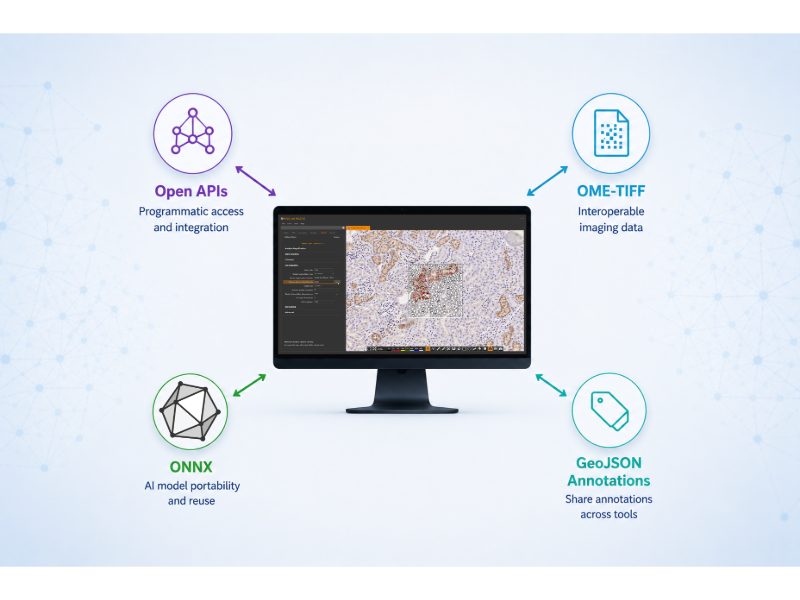
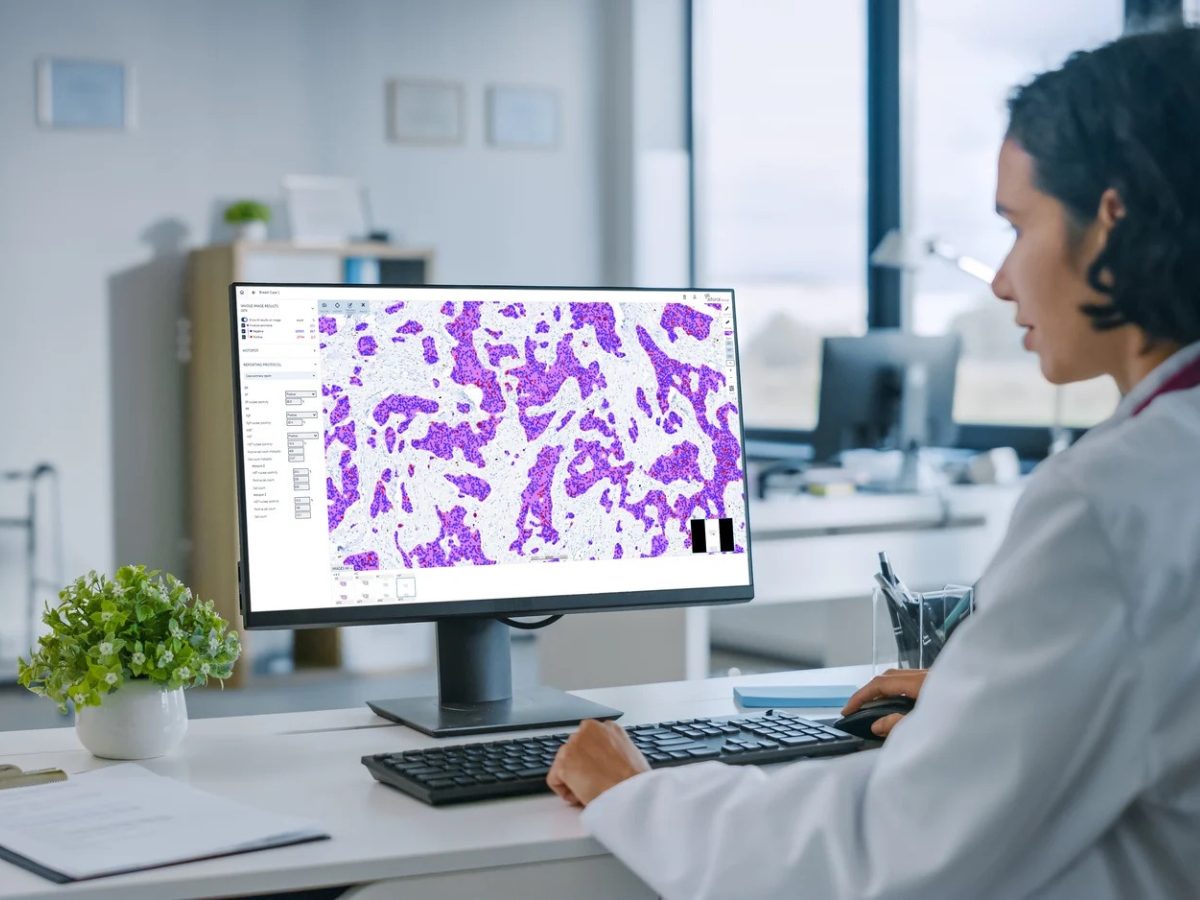
Technology and AI adoption represented another major area of focus. Lisa-Jean Clifford, President of Gestalt Diagnostics and the Association for Pathology Informatics (API), delivered a comprehensive presentation on AI vendor evaluation and implementation strategy in pathology. Clifford emphasized that AI is rapidly transitioning from a supplementary tool to a foundational capability, but she warned the current vendor landscape remains fragmented and immature. The session explored the importance of clearly defining problems before selecting AI solutions, rigorously validating algorithms internally, understanding infrastructure requirements, and prioritizing workflow integration above all else.
The discussion also examined hidden costs associated with AI implementation, including storage, network capacity, cloud infrastructure, validation requirements, and long-term scalability. Clifford strongly emphasized that organizations must evaluate total cost across multi-year time horizons and avoid overreliance on vendor marketing claims without independent internal testing. Governance, cybersecurity, compliance, and ongoing performance monitoring were identified as critical components of any successful AI strategy. The presentation reinforced that AI implementation is not simply a technology purchase, but a broader organizational transformation requiring discipline, planning, and institutional readiness.
Legal and regulatory considerations were addressed during an interactive panel featuring attorneys from McDonald Hopkins, including Elizabeth Sullivan, Emily Johnson, and Bryan Kostura. The panel explored increasing regulatory scrutiny involving TC/PC arrangements, Stark Law compliance, Fair Market Value concerns, digital pathology billing, and government enforcement trends. Speakers highlighted that many enforcement actions are triggered not only by overt misconduct, but also by poorly documented business arrangements, inadequate compliance infrastructure, or transaction-related diligence reviews.
The discussion further emphasized the importance of proactive contract structuring, documentation, and legal review, particularly as hospitals and pathology groups navigate expanding health systems, outsourcing pressures, and increasing complexity. The panel also emphasized how valuation methodologies and contractual protections such as exclusivity and non-solicitation provisions are becoming increasingly important.
Workforce strategy and recruitment challenges represented another major focus of the conference. Rich Cornell, Founder and President of Santé Consulting, led a detailed discussion on the realities of today’s candidate-driven labor market and the growing need for pathology practices to adopt proactive, data-driven recruitment and retention strategies. Cornell emphasized that pathology hiring can no longer be treated as a reactive process limited to posting open positions when vacancies occur. Instead, leading organizations are increasingly focused on pipeline development, early engagement with residents and fellows, continuous candidate relationship-building, and strengthening employer branding efforts.
The discussion explored how candidates are increasingly evaluating opportunities based on flexibility, work-life balance, leadership culture, growth potential, and organizational stability—not compensation alone. Cornell also highlighted the growing importance of analytics in recruitment, including compensation benchmarking, time-to-fill metrics, candidate conversion tracking, and evaluation of geographic and subspecialty hiring trends. Retention strategies, mentorship programs, and flexible role structures were identified as essential components of sustainable workforce planning.
These workforce discussions were reinforced by findings from PNPL’s 2026 Pain Points Survey, presented by Allegra Klein, Executive Director of PNPL. Survey results confirmed that pathologist shortages, rising labor costs, technology adoption pressures, and hospital contracting challenges remain among the most significant issues facing pathology groups nationwide. The discussion highlighted the need for more practical business frameworks, collaborative problem-solving, and stronger industry support around digital pathology, AI implementation, and long-term sustainability.
Across all sessions, several consistent themes emerged: the increasing importance of transparency, the need for stronger collaboration across organizations and specialties, the growing role of data and analytics in decision-making, and the reality that pathology practices must become more proactive and strategically aligned in order to remain competitive. The Summit reinforced PNPL’s mission of “Empowering Leaders. Elevating Practices.” by providing pathology leaders with practical, experience-based guidance and peer-driven insights to help navigate the financial, technological, workforce, and regulatory complexities facing the profession today.
Panel of National Pathology Leaders’ Member Practices have access to a wealth of information and tools to help navigate management challenges, including exclusive access to reports, data, and surveys. For information on how to join PNPL or purchase our new 2026 Hospital Negotiations Factbook, see our website or email ak****@*********rs.org.
No audio available for this article yet.
No quiz available for this article yet.