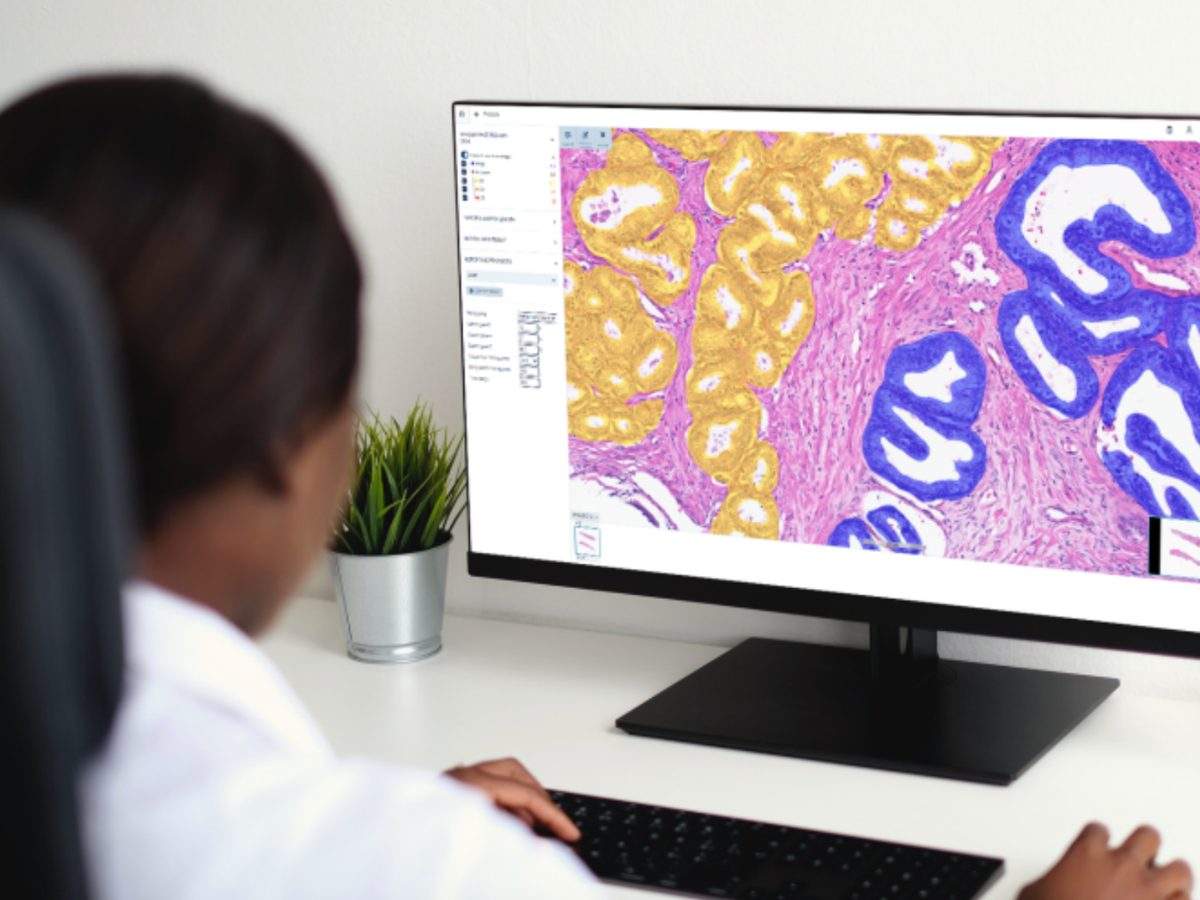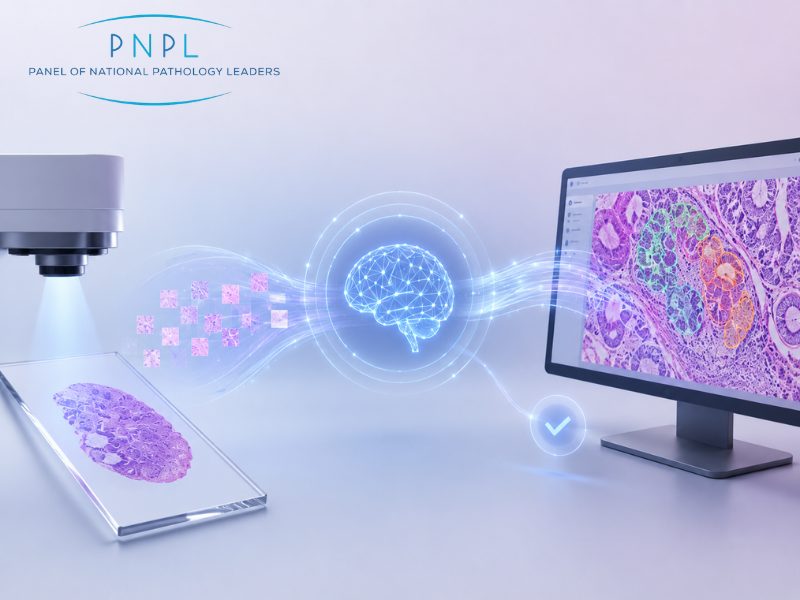
On May 26, PNPL’s CFO/RCM Directors Networking Team welcomed James Anderson, Director of Data Science at MedAR, a revenue cycle management firm, and Maci Simmons, MedAR Data Scientist, for a presentation exploring how machine learning and workflow automation can improve pathology revenue cycle performance. The session focused on practical applications of predictive analytics within accounts receivable (AR) management, highlighting strategies to improve collections, strengthen staff productivity, and streamline claim prioritization without requiring costly large-scale AI deployments.
Addressing Growing Revenue Cycle Challenges
The presenters began by discussing the mounting pressures facing pathology billing and reimbursement teams, including payer-driven reimbursement declines, increasing denial complexity, evolving payer policies, and staffing challenges. MedAR explained that, as a company utilizing a fully onshore workforce, they sought to create a scalable system that could improve efficiency while continuing to leverage existing staff expertise and client relationships.
The discussion also addressed the broader industry trend toward expensive AI investments and offshoring models. The presenters noted that many automation tools become difficult to maintain when payer portals or reimbursement requirements change frequently. They emphasized that many pathology groups—particularly small and mid-sized organizations—need more practical and financially sustainable approaches that enhance current workflows rather than replace them entirely.
Moving Beyond Traditional Claim Prioritization
A major focus of the presentation was the limitations of traditional AR workflows that prioritize claims based primarily on balance size. While larger balances are often assumed to represent the greatest reimbursement opportunity, the presenters explained that balance alone is not a reliable predictor of payment likelihood. Factors such as payer behavior, denial type, CPT coding, historical reimbursement patterns, and timing all influence the probability of successful reimbursement.
To address this issue, MedAR developed a machine learning model designed to predict expected reimbursement and “propensity to pay” for outstanding claims. Rather than organizing work queues by balance alone, the system identifies claims most likely to generate reimbursement based on historical trends and payer-specific patterns. The presenters demonstrated how this approach can improve cash velocity by directing staff attention toward claims with the highest expected financial return.
Standardizing Work Queues and Staff Assignments
The presenters also examined inefficiencies created by static claim assignment models, where representatives must constantly interpret different denial types and navigate multiple payer portals throughout the day. Under MedAR’s approach, claims are grouped into highly uniform work queues organized by payer and task type, allowing AR representatives to repeatedly complete similar actions within the same workflow environment.
This structure was described as beneficial for both experienced and newly hired staff. Lower-complexity activities, such as medical record requests and delinquent follow-up tasks, can be assigned to newer personnel, while more advanced denial work is routed to experienced team members. According to the presenters, this repetitive task structure reduces mental switching, simplifies onboarding, shortens training time, and improves productivity across the AR team.
The system also reduces the amount of time managers spend manually distributing claims. Instead, managers can oversee assignments through automated triage rules while retaining the flexibility to adjust priorities as reimbursement trends or payer demands change.
Understanding the Role of Machine Learning
Maci Simmons provided attendees with an overview of artificial intelligence, machine learning, and deep learning concepts, explaining how predictive models improve over time by learning from historical data and feedback. Using simple analogies and healthcare claims examples, she demonstrated how machine learning systems can analyze highly complex datasets involving payer behavior, CPT codes, denial patterns, allowable amounts, and reimbursement history simultaneously.
Maci and James emphasized that the system is retrained regularly using updated claims data, allowing it to adapt to changing payer policies and reimbursement behaviors. This continuous learning process enables the model to remain responsive without requiring complete redevelopment of workflows or software infrastructure.
Results and Performance Improvements
The session included data from a four-month pilot implementation involving a national laboratory client. According to the presenters, the machine learning-driven work queue system produced a 39% increase in collections on denied claims, a 22% increase in AR representative productivity, and a 2.76% improvement in overall business collections.
Additional benefits included improved visibility into employee productivity through integrated dashboards that allow managers to monitor open claims, work progress, and assignment activity in real time. The system also improved consistency in categorizing ANSI denial codes across multiple payers, helping reduce confusion surrounding claim follow-up actions.
Discussion and Future Applications
During the discussion period, attendees asked questions regarding implementation, scalability, and whether the technology could eventually become available outside MedAR’s internal infrastructure. James and Maci explained that the system is currently being deployed within MedAR’s client environment and continues to evolve as additional data becomes available. They also noted that many current healthcare AI discussions focus heavily on generative AI tools, while practical machine learning applications tied directly to reimbursement and workflow optimization remain relatively underutilized.
The presenters described this initiative as an important foundational step that allows pathology billing teams to improve efficiency first, while also creating future opportunities for broader automation and AI-assisted workflows.
Conclusion
The presentation provided PNPL members with a detailed look at how machine learning can be applied in a focused and financially practical manner to strengthen pathology revenue cycle performance. By combining predictive analytics with structured work queue management, pathology groups may be able to improve collections, enhance staff productivity, simplify onboarding, and reduce administrative burden while remaining adaptable to the continually changing reimbursement landscape.
Panel of National Pathology Leaders’ Member Practices have access to a wealth of information and tools to help navigate management challenges, including exclusive access to reports, data, and surveys. For information on how to join PNPL, see our website or email ak****@*********rs.org.
No audio available for this article yet.
No quiz available for this article yet.