

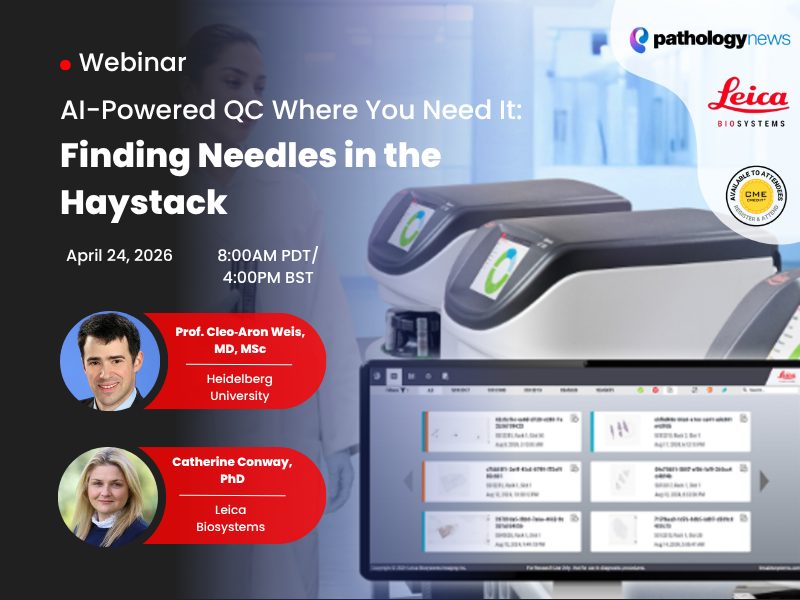
Through live demonstrations, and interactive discussions, attendees will understand the prevalence of artifacts and challenges of manual quality control (QC) for whole slide imaging (WSI). Learn how AI-powered QC helps labs identify the minority of slides with artifacts, freeing up technician time to focus on the critical few. Innovative, cutting-edge rescan functionality is designed to fix scanning problems before you know you have them. Aperio iQC software works in tandem with the Aperio GT range of scanners to automatically rescan slides, with parameters optimized to resolve scan issues, providing full autonomy, with the confidence of complete control. Learn how Leica Biosystems’ Aperio iQC software detects artifacts early in the digital pathology workflow, surfaces results in a centralized dashboard, alerts the laboratory via the scanner console, and supports faster, more consistent quality control.
Learning Objectives
- Challenges and bottlenecks in manual QC, and how AI-powered QC helps eliminate unnecessary reviews, and focus only on slides needing attention.
- How Aperio iQC works in practice, including the prevalence of artifacts, where they are detected, how results appear in the dashboard and scanner console, and how slides are reviewed and addressed.
- How to act faster and more consistently on QC findings, using early artifact visibility to support timely decisions while slides remain in the scanning workflow.
For Research Use Only. Not for Use in Diagnostic Procedures
Speakers
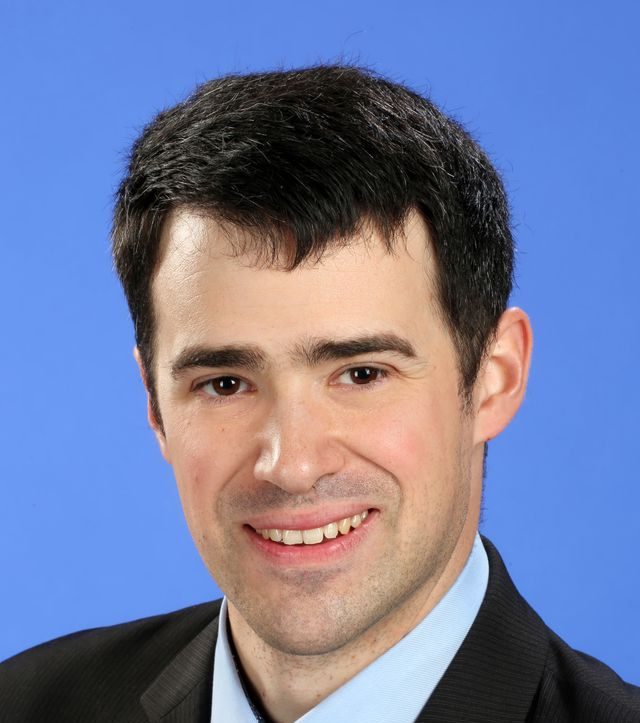
Prof. Cleo‑Aron Weis, MD, MSc
Head of Section Computational Pathology
Institute of Pathology, Medical Faculty Heidelberg, Heidelberg University
Prof. Cleo‑Aron Weis, MD, MSc is a board‑certified pathologist and recognized expert in digital pathology. He brings a unique interdisciplinary background that bridges clinical pathology, medical physics, and computational image analysis. His work focuses on morphological tumor heterogeneity, digital pathology workflows, and the application of advanced image analysis to improve diagnostic insight and research outcomes. He received his medical degree and Dr. med. from Ruprecht‑Karls‑Universität Heidelberg and holds two Master of Science degrees in Medical Physics, with a strong emphasis on digital image processing and computational analysis, including work on HER2/neu classification. Prof. Weis completed his pathology residency and research training at Universitätsmedizin Mannheim and has held senior clinical and academic appointments at both Mannheim and Heidelberg University hospitals. Through his clinical practice and academic research, Prof. Weis is deeply engaged in advancing the role of digital and computational pathology in modern diagnostics and translational research.
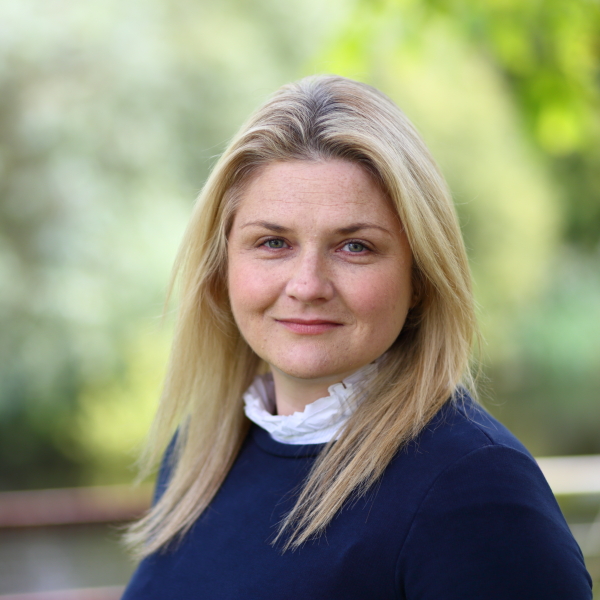
Catherine Conway, PhD
Director of Clinical AI Applications
Digital Pathology, Leica Biosystems
Dr. Catherine Conway is an accomplished technical leader with more than two decades of experience in Digital Pathology, Image Analysis/AI, and Product Development. She has led high impact scientific and technological initiatives across academia, medical device companies, and innovative startups, to advance both research and clinical practice. Her career is distinguished by a strong ability to bridge scientific rigor with practical, real-world application, including extensive work in highly regulated environments, augmented with a strong publication record. Dr. Conway holds a BSc in Biotechnology and a PhD in Digital Pathology from Dublin City University, Ireland. She later completed a prestigious Postdoctoral Fellowship at the National Cancer Institute (NCI), National Institutes of Health (NIH) in the United States. She is deeply committed to translating scientific innovation into impactful tools and workflows that improve patient outcomes and contribute to meaningful medical progress.
