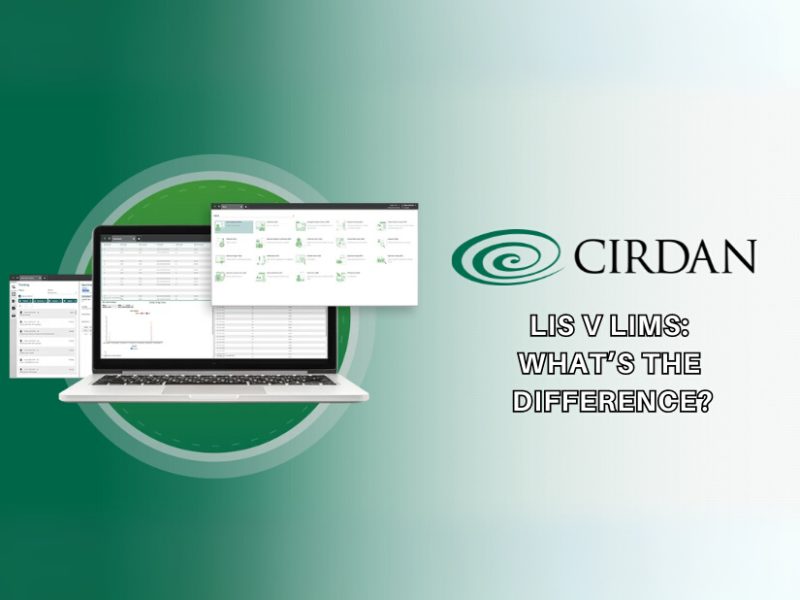
What is a LIMS?
LIMS is a commonly used acronym which refers to a Laboratory Information Management System.
A LIMS is used in a laboratory setting. Cirdan’s LIMS, ULTRA, is used in pathology labs. However, LIMS are used across a variety of industries working in labs, including environmental, food and beverage, and even agricultural settings.
LIS v LIMS: What is the difference?
So what is a LIS, a LIMS, and the difference between the two?
While a LIS and a LIMS have different definitions, in industry these terms are still quite often used interchangeably. A LIS is a Laboratory Information System; a LIMS is a Laboratory Information Management System.
A LIMS is the broader definition of the two. This refers to analytical testing carried out across a range of industries, including environmental, manufacturing, or even agricultural, in addition to clinical. Whereas LIS are more specific to the testing carried out in clinical and diagnostic testing in the healthcare sector.
A second difference between a LIS and a LIMS is their centricity. LIS are patient centred due to their specificity to clinical lab environments for patient diagnosis. LIMS are centred around samples. They focus more on workflow management in environments with large batches of samples, not traceable to individual patients. As such, a LIS and a LIMS usually have to adhere to different quality standards, such as ISO accreditations.
The Evolution of LIMS: Where did they start?
The primary purpose of LIMS when they were invented was to act as a central source for lab data, and for sample management. Up until the creation of a LIMS, management had been done manually by lab staff, on paper. The first LIMS brought to market in the 1980s was therefore ground-breaking for its time, allowing for some basic functionality as we know it today, such as storing lab data on a centralised computer, and some simple automation tasks for reporting.
Since then, LIMS have evolved, directly along with the development of computers and lab systems, to meet the needs of labs’ daily work.
Nowadays, in the world of pathology, there is a worldwide shortage of pathologists and an increase in the number of tests carried out per year, globally. Therefore, LIMS must meet the increasing needs of lab staff and perform more complex tasks than ever before. For example, a modern LIMS must be able to:
- Help pathologists get through their daily workload and ensure that all cases are seen
- Reduce the risk of human error when handling data
- Increase sustainability in the lab by digitising material, reducing use of single-use plastics and paper
LIMS Functionality: What are LIMS used for?
The early purpose of LIMS for workflow improvement and streamlining in the lab has persevered to the present day. Initially, the functionality of a LIMS was limited to some few automated reporting tools from a centralised computer system. This was known as a first-generation LIMS, first introduced in 1982.
Second-generation LIMS were brought to market in 1988 with some improved functionality, including the very first application-specific solutions. Also for the first time, LIMS became PC-based, instead of based on more primitive minicomputers as before.
Third-generation LIMS were introduced in the early 1990s, bringing a new architecture with them. Client-server configuration facilitated an improvement in labs’ processing of data, as well as easier collaboration between sites via simple data exchange.
Since then, we have progressed to fourth-generation LIMS. Software developers have undertaken huge steps to improve the ease of use and ‘feel’ of LIMS interfaces to further improve lab efficiency. They look modern and are intuitive to use. Many LIMS are also now web-based, and some providers like Cirdan offer a cloud-based model as an alternative to on-premises installations. In 2024, more discipline specific functionality is needed than ever before, to help streamline workflows for specific lab requirements, e.g. for histopathology or haematology, whose daily work looks very different. LIMS providers like Cirdan therefore employ large teams of clinical and subject matter experts (SMEs) across disciplines, to make sure that LIMS functionality accurately aligns with what lab staff want and need to carry out their daily work.
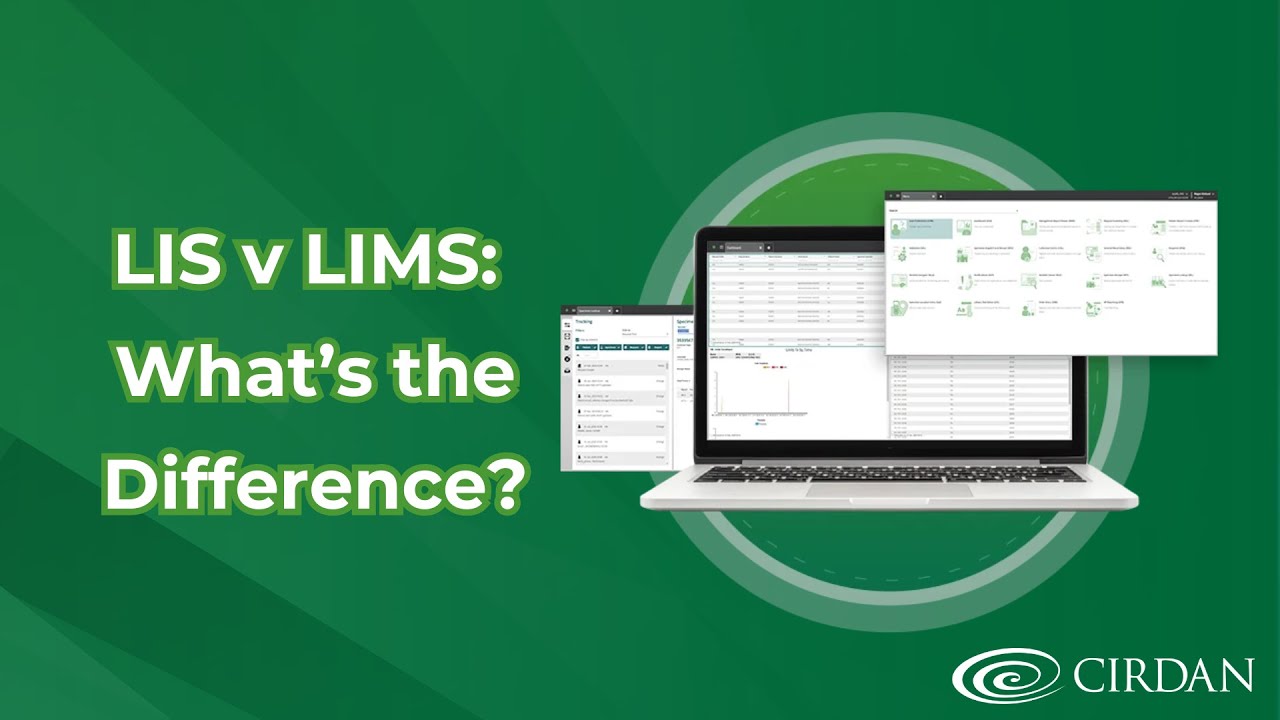
*Fun fact* Cirdan’s LIS, ULTRA, was amongst the first LIMS systems to be created. Its founders first began to write the code for the system in the 1980s, and the first version of ULTRA was installed in Ballarat Base Hospital, Australia, in 1989!
Modern day LIMS functionality: LIMS in modern labs
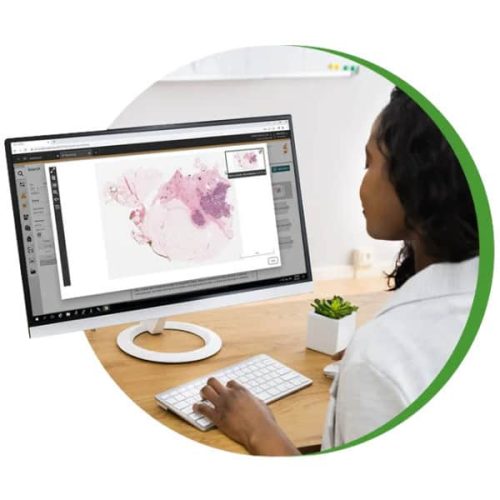
Modern day LIMS have many functions which exceed the needs of the older lab workflows in the 80s and 90s. As laboratory equipment and clinical instruments have become more advanced, with more complex interfacing which changes the lab workflow, LIMS must now have the functionality to speak to these instruments, understand the results they produce, and generate reports to accurately reflect outcomes.
Each stage of this process is critical, as each result directly affects a diagnosis given to a patient, and later the treatment they will receive as a result.
The Future of LIMS: Where are LIMS headed in the future?
The future of LIMS, like many industries, is predicted to be interwoven with AI advancement. With an increase in the amount of patient data which passes through systems like LIMS, the potential use for AI to take over repetitive tasks and relieve lab staff of workload is extremely large. Any part of the process, from automatic labelling, to sample tracking, to report compiling and beyond, has potential for AI automation.
Implementing AI within a LIMS can help deliver:
- Advanced analytics, including predictive and prescriptive analytics
- Increased automation of routine tasks
- Enhanced decision making
- Improved laboratory maintenance, as AI can predict when clinical analysers need to undergo servicing and maintenance
At Cirdan, we are proud to have roots in LIS tracing back to their creation in the 1980s, and to also be part of the innovation which is driving LIS into its next phases into the future. The work carried out by our team of experts every day forms part of our mission to improve patient wellbeing through innovation, ultimately creating a new vision for the future of healthcare. Find out more about our ULTRA LIS.
We can’t wait to be part of the next phases in the evolution of pathology, and how by improving and streamlining processes in the pathology lab, we can ultimately have a positive impact on the journeys of patients around the globe.
Author: Bronagh McStravick
Share this article


Follow us
Get Pathology News Delivered to Your Inbox