When we think of healthcare, our minds usually jump to doctors, nurses, medicines and treatment plans. However, we tend to miss the important link in the healthcare system, bridging the gap between patients and doctors: Pathologists. Behind every diagnosis, treatment decision and patient outcomes lies this vital, yet overlooked, profession.
What is Pathology?
Pathology is central to diagnoses and is the bridge between science and medicine. It is the study of the causes, nature, and effects of disease. Pathologists are medical doctors who specialise in studying disease through laboratory techniques.
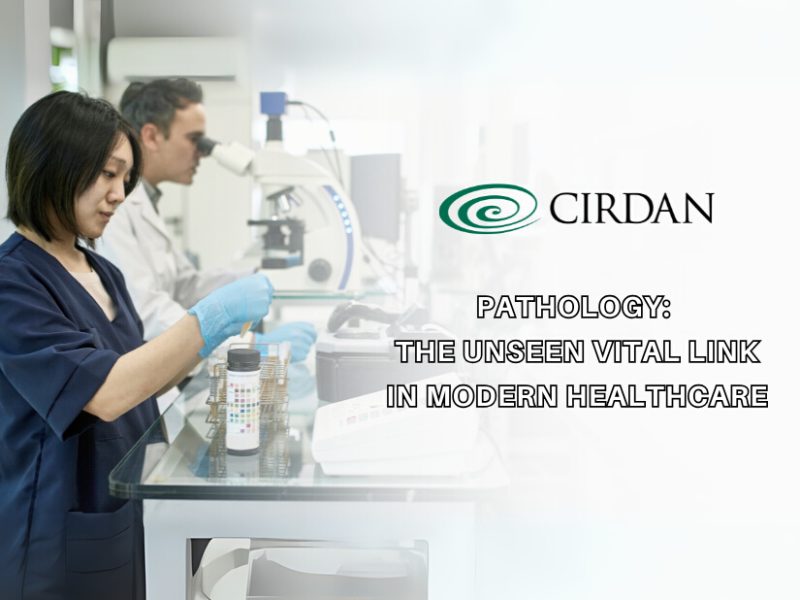
They analyse samples from the body, such as blood, urine, stool, and tissues. Pathologists and laboratory professionals play a key role in diagnosing diseases and guiding treatment decisions. There are various sub-specialties such as Histopathology, Haematology, Virology, Microbiology and many more.
As healthcare becomes more patient-centric, with the recent establishment of personalised medicine, pathologists are increasingly bridging the gap between the lab and bedside, by helping drive more personalised and timely care.
A Foundation for Clinical Pathways
Pathology plays a role in around 95% of all clinical pathways in healthcare. (1)This means that almost every decision made by doctors, from initial diagnosis, to treatment plans, depends on pathology services. Whether it's analysing blood samples, identifying infections, or understanding genetic predispositions, pathology is at the heart of the medical decision-making process. Without it, many diseases, especially complex conditions like cancer or auto-immune diseases, would remain undetected until it's too late for effective treatment.
Scale of Pathology
The scale of Pathology's impact is astounding. Billions of tests are performed every year in the UK alone. Hospital laboratories in England carry out over a billion tests annually, resulting in a cost of around £2.2 billion. Every year, laboratories in the UK send approximately 50 million reports to GPs. Each report represents a crucial piece of information that can influence a patient's treatment journey. Each day, over 300,000 tests are performed, translating to about 14 tests per person annually in England and Wales.(1) These statistics give us some insight into how deeply pathology is integrated into everyday healthcare.
Impact on Disease Prevention and Public Health
Pathology has had a transformative impact on public health, especially in preventive medicine. The introduction of cervical cancer screening in the UK led to a 42% decrease in cervical cancer cases (1), a direct result of pathologists working closely with the primary care providers. In the battle against cancer, early and accurate diagnosis can save lives. Pathology plays a pivotal role in this, helping to identify cancer types, stages, and guide personalised treatment plans. With cancer cases rising globally, innovative pathology solutions are revolutionising diagnostics, leading to faster detection and more precise treatment.
Pathology services also form an important part of public health initiatives, for example during Covid-19 pandemic, where testing became a key tool in managing the outbreak. Laboratories were pushed to their limits, processing millions of samples. Without these rapid tests and accurate reporting, global health responses would have been much slower and less effective.
Streamlining Pathology Workflows
The demand for pathology services has never been higher, with aging populations and more complex cases on the rise globally. This has led to longer turnaround times and increased burnout for pathologists. To meet this rising demand, again innovative pathology solutions are streamlining workflows and reducing the cognitive load on professionals.
The integration of Artificial Intelligence (AI) in pathology is transforming cancer diagnostics by identifying patterns and biomarkers that may not be immediately visible to the human eye. AI-driven tools are now being used to detect subtle signs of cancer that might otherwise go unnoticed in the early stages. They can also flag abnormalities, assisting pathologists and allowing them to focus on complex cases while minimising errors in high-volume settings.
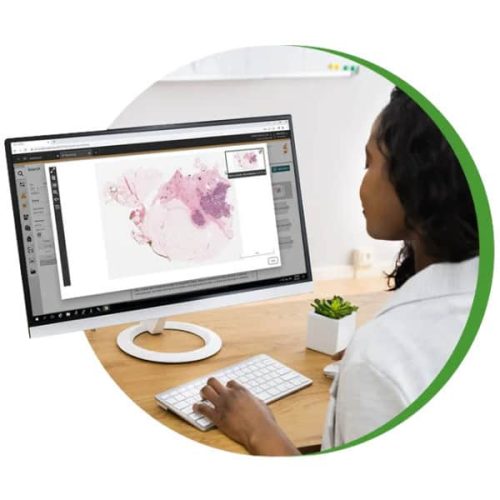
Digital pathology, artificial intelligence, and advanced laboratory information systems (LIS) are transforming how pathologists work. These tools allow pathologists to remotely access and analyse samples, collaborate with colleagues, and reduce manual data entry errors.
By digitising and optimising these workflows, pathologists can manage their workloads more efficiently, ensuring quicker, more accurate diagnoses. This ensures that ultimately, pathologists can continue to provide high-quality care.
Pathologists are the unsung heroes of healthcare. By providing the data that doctors rely on, pathology facilitates timely diagnoses, personalised treatments, and effective disease management. From high-volume lab tests to cutting-edge digital pathology, the field's influence is widespread and growing, ensuring that patients receive the best possible care. As the complexity of healthcare continues to evolve, so will the indispensable role of pathology.
Author: Kruthika Sathyamoorthy
Share this article



Follow us
Get Pathology News Delivered to Your Inbox