Tribun Featured (3)
Learn how IMS simplifies collaboration between pathology labs, streamlining workflows and improving data sharing to deliver better patient care efficiently.
Modern pathology lab operates in an interconnected environment where collaboration is key. For multi-site organizations, ensuring a smooth flow of data and expertise can be complex. This is where a Pathology Image Management (IMS) system plays a key role, optimizing workflows and facilitating cooperation between laboratories.
Simplified Collaboration
Laboratories often face obstacles due to their geographical dispersion, heterogeneous processes and varied technological capabilities. An IMS acts as a bridge by centralizing image management, allowing for fast and secure data sharing.
SGIs are therefore scalable tools that allow:
- Seamless integration of new laboratories: New sites are integrated into the existing IMS with minimal disruption.
- Adapting workflows to the needs of the organization: The system evolves with the needs of the organization.
- Optimized data volume and user management: Support for increasing the volume of data and the number of users as the organization grows.
Improving patient care with real-time collaboration
With GIS, digital pathology is redefining expert communication, speeding up diagnoses and improving their accuracy.
Real-world applications:
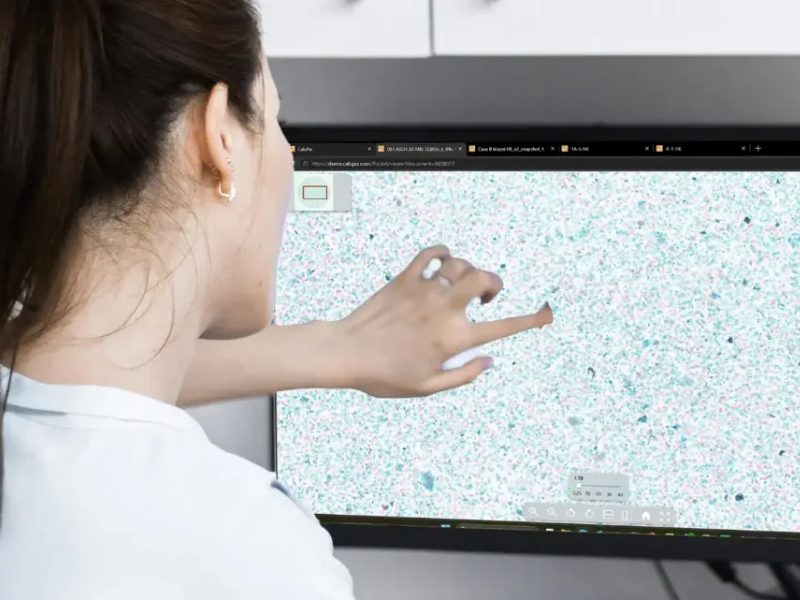
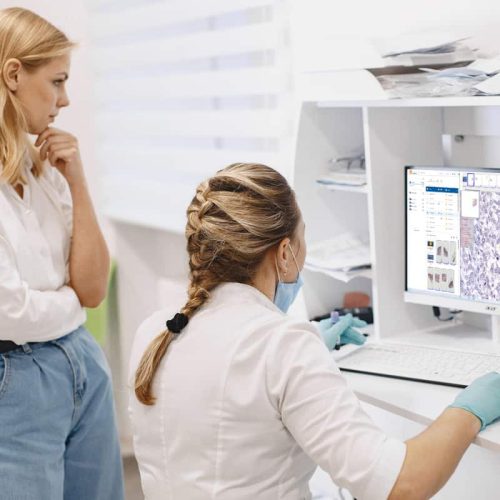
- Concurrent reviews: Multiple pathologists can simultaneously examine the same digital slide, annotate it, and discuss the results in real time, without the need to meet.
- Consultations: Remote consultations become simple. A pathologist can share a case or slide with a specialist in another lab and receive feedback quickly, making it easier to get second opinions.
At the heart of these technological advancements is the ultimate goal: improving patient outcomes. The benefits for patients are multiple:
- Faster diagnostics: Thanks to the simplification of workflows.
- Increased accuracy: With second opinions and collaborative analytics, this leads to more reliable diagnoses.
- Expanded access to specialist experts: Which improves the quality of care.
Process Automation and Optimization
IMS replaces manual workflows, reducing errors and delays. Improvement of work processes:
- Automatic assignment of cases based on workload and specialization.
- Real-time monitoring of the status of files, ensuring that nothing falls through the cracks.
- Notifications to alert users when action is required, reducing downtime and improving turnaround times.
By streamlining these processes, IMS frees up time for staff to focus on more important tasks.
Centralized and secure access to data
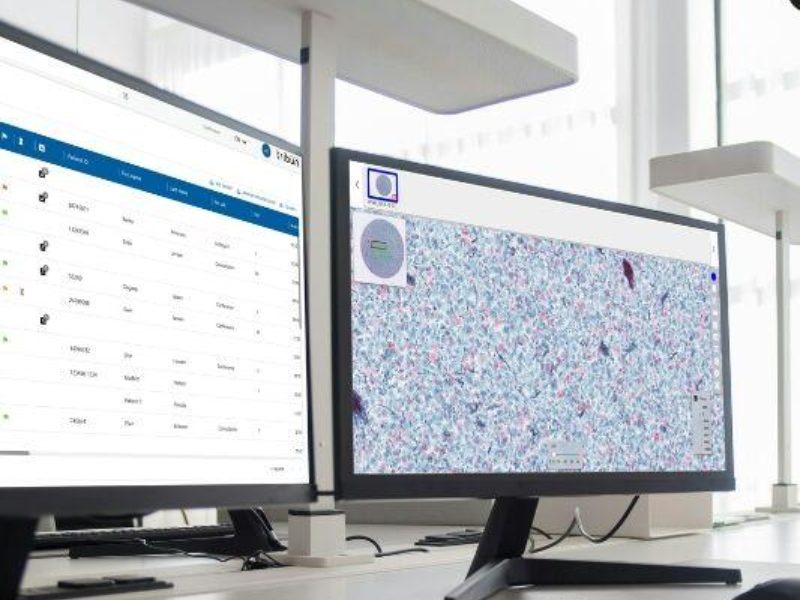
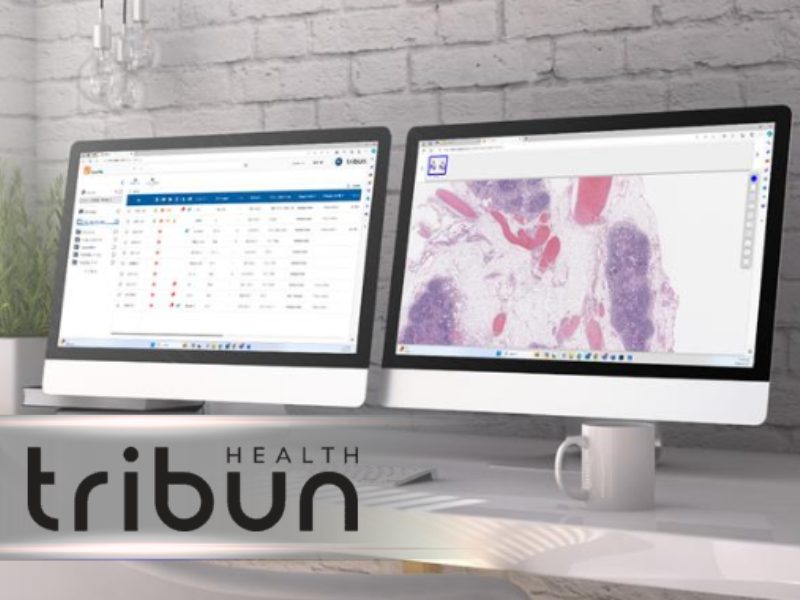
An IMS ensures that all images and associated data are stored in one secure location, accessible to pathologists from any location.
Essential features:
- Shared access to images for efficient collaboration.
- Audit trails ensuring traceability and compliance.
- Standardization of protocols to standardize practices.
Security and regulatory compliance
IMS incorporates robust measures to ensure data privacy and security.
Main protection devices:
- Encryption of data both in transit and at rest.
- Role-based access controls for sensitive information.
- Compliance with standards with global regulations, including HIPAA and GDPR, ensuring that data processing practices meet legal requirements.
Integration with other systems
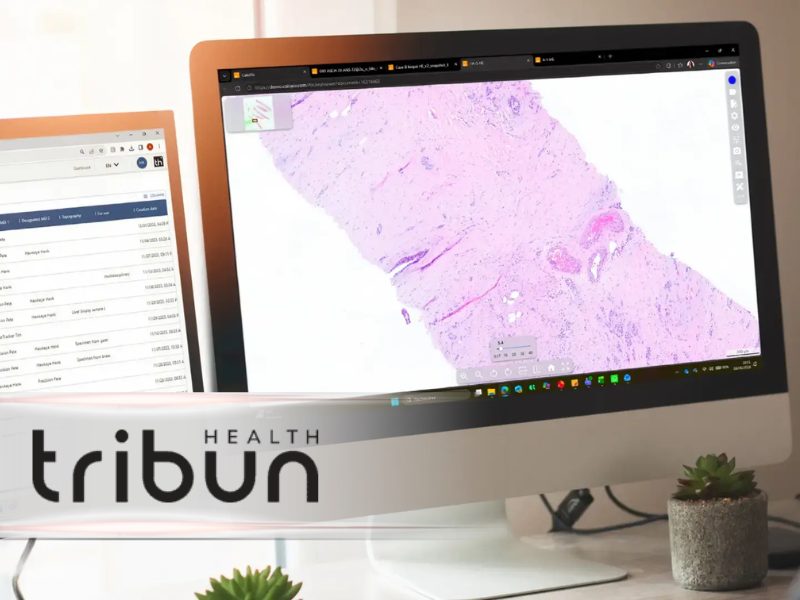
An IMS does not work in isolation: it integrates with existing IT tools (LIS, EMR, enterprise imaging solutions, etc.), creating a complete ecosystem. This integration ensures that all relevant data is available to pathologists and other healthcare professionals.
Benefits of Integration:
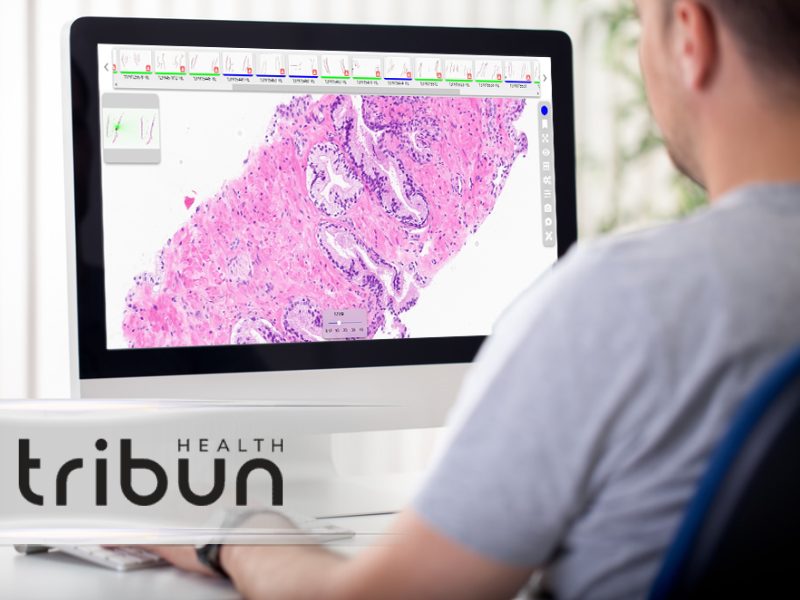
- Unified viewer for all types of medical images, eliminating the need to switch between systems.
- Seamless data sharing between the pathology and other departments (radiology, oncology).
- Advanced analytics tools that support diagnostic research and innovation.
Challenges and prospects
Despite its many advantages, the implementation of an IMS involves some challenges:
- Interoperability: ensuring smooth integration with existing systems, especially LIS.
- Change management: Staff training and workflow adaptation.
- Cost: Balance the investment in technology with the expected benefits.
The future of IMS looks bright, with the increasing integration of artificial intelligence to automate tasks and refine diagnoses. Investing in a robust IMS means building a collaborative environment that fosters innovation and continuous improvement in patient care.
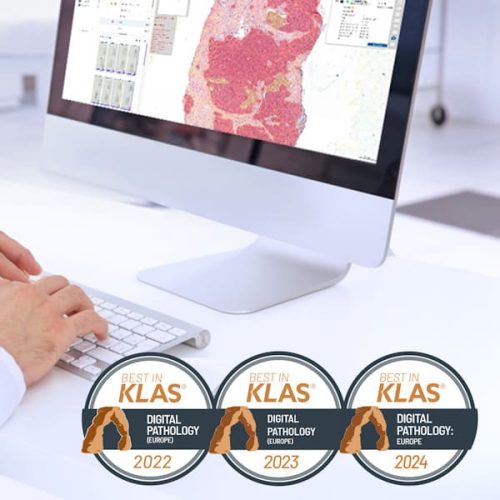
Learn how Tribun Health’s Best in KLAS solutions can improve collaboration and patient care. Contact us today to learn how our innovative image management system can optimize your pathology workflows.
References
Share this article




Follow us
Get Pathology News Delivered to Your Inbox